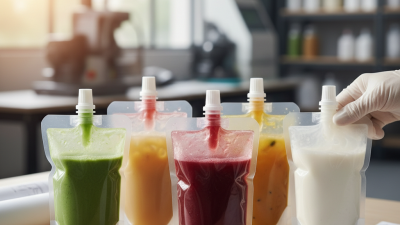
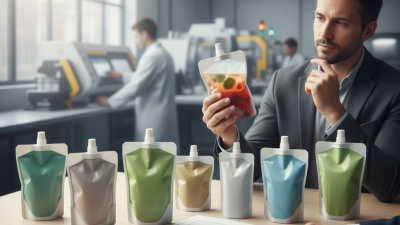
You know, the beverage world has really been shifting lately, especially with all the cool new packaging options coming out. One that’s been turning heads is the Drink Pouch—it’s gaining a lot of buzz. I read somewhere that the global pouch market is expected to grow at about 6.2% CAGR between 2021 and 2026. Big players like Amcor and Winpak are really stepping up, trying to keep up with what consumers want—things that are convenient AND eco-friendly.
What’s interesting is how much folks are really digging these Drink Pouches because they’re portable and better for the planet. It’s all about those on-the-go lifestyles, right? The flexible packaging scene is evolving super fast, but with that, brands are also bumping into hurdles like environmental impacts and keeping costs in check.
You can see some cool progress in the materials and designs — all aimed at making user experience better. Still, brands gotta find that sweet spot between being innovative, practical, and sustainable. That’s where OEM and ODM manufacturers come into play—they’ve got the know-how to help bring those cool, unique Drink Pouch ideas to life without a hassle. Overall, things look pretty promising, but it’s also clear that brands really need to keep an ear to the ground to stay aligned with what consumers are really after.
So yeah, it’s an exciting time for packaging in the beverage world, and I guess we’re just gonna see where it all goes next!
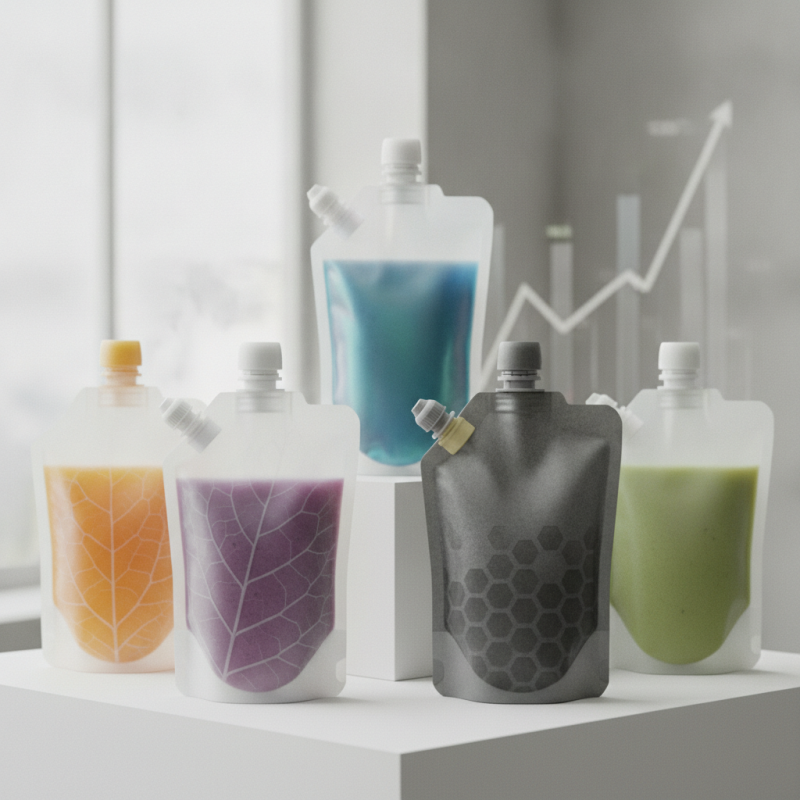
Emerging Trends in the Drink Pouch Industry for 2026
In 2026, the drink pouch industry is witnessing remarkable shifts. Emerging trends highlight consumer demand for sustainable packaging. Eco-friendly materials will dominate, as brands focus on reducing their carbon footprint. Alongside this, the rise of the Doy Pouch reflects a significant design evolution. This innovative shape not only enhances usability but also maximizes storage efficiency.
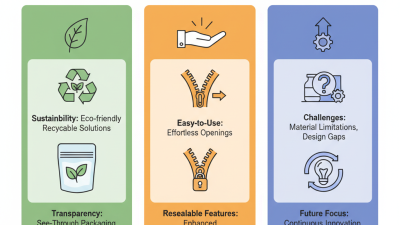
Adaptability is another key factor driving change. More brands are exploring various closure options for drink pouches. The appeal lies in convenience, especially for on-the-go consumers seeking quick, mess-free access to beverages. While the industry is making strides, challenges persist. Balancing functionality with sustainability remains a complex issue. Many brands struggle to find materials that meet both consumer preferences and environmental standards.
Customer engagement is evolving too. Interactive packaging features, like QR codes and augmented reality, are becoming more prominent. These innovations aim to connect customers directly with brands. However, not all companies are equipped to keep up with these trends, creating a gap in the market. As we move forward, the industry must prioritize responsive designs and transparent practices to stay relevant in this fast-changing landscape.
Innovative Materials Revolutionizing Drink Pouch Manufacturing
The drink pouch industry is entering a new era. Innovative materials are changing how Juice Pouches are produced. Eco-friendly options, such as biodegradable plastics, are gaining traction. These materials reduce environmental impact and appeal to conscious consumers. They ensure that a product is not just functional, but also sustainable.
Another trend is the development of lightweight materials. They are designed to offer durability without adding extra weight. This change allows for easier transportation and storage. However, lightweight can sometimes mean less protection. Companies need to balance these factors carefully.
New sealing technologies are also making an impact. These methods improve the shelf life of juice pouches. It is critical to keep flavors fresh without compromising quality. While these innovations seem promising, manufacturers must test them rigorously. Understanding consumer preferences is vital in this evolving market. Experimentation is necessary, yet brands must tread cautiously to maintain reliability.
2026 Top OEM ODM Drink Pouch Company Trends and Innovations
Sustainability Practices in OEM and ODM Drink Pouch Companies
Sustainability practices are increasingly important in the OEM and ODM drink pouch industry. Companies are exploring eco-friendly materials and production methods. Many are transitioning to biodegradable pouches. This shift not only helps reduce waste but also appeals to environmentally conscious consumers. However, some companies struggle to balance sustainability with cost. It can be challenging to source sustainable materials that don't inflate prices significantly.
Investing in renewable energy for manufacturing is another key trend. Solar panels and wind energy can lower carbon footprints significantly. Implementing energy-efficient machinery also aids in these efforts. Still, firms often face hurdles in initial investments. The return on investment takes time, leading to doubts.
Tips: Consider consumer feedback when innovating. Understand their values concerning sustainability. Engage with suppliers to maximize eco-friendly practices. Collaboration can drive meaningful change. A transparent supply chain boosts consumer trust and loyalty. Embracing sustainability in drink pouch production ensures long-term viability.
2026 Top OEM ODM Drink Pouch Company Trends and Innovations
| Dimension |
Data Point |
| Sustainability Practices |
30% companies using fully recyclable materials |
| Innovations in Materials |
20% increase in plant-based packaging |
| Energy Efficiency Initiatives |
25% reduction in energy use across production |
| Waste Reduction Targets |
40% of companies aiming for zero waste by 2028 |
| Consumer Awareness Programs |
60% companies implementing customer education initiatives |
| Digital Printing Technology |
35% growth in adoption for customization |
| Collaboration with NGOs |
15% companies partnering for environmental impact |
| Product Lifecycle Assessment |
50% of firms adopting LCA for sustainability reports |
Technological Advancements in Drink Pouch Design and Production
The drink pouch industry is witnessing rapid technological advancements that reshape its design and production processes. A report from MarketsandMarkets forecasts that the global beverage pouch market will grow at a CAGR of 5.3% from 2021 to 2026. This growth is driven by innovations in materials and designs. Spout Pouches have gained popularity due to their convenience and user-friendly features.
Recent studies highlight the shift toward eco-friendly materials in drink pouch production. Manufacturers are increasingly adopting biodegradable films, which not only reduce environmental impact but also cater to consumer demand for sustainability. A study by Grand View Research indicates that sustainable packaging is projected to reach USD 300 billion by 2025. This reflects a broader trend in consumer preferences towards responsible products.
Despite these advancements, challenges remain. The transition to new materials can be costly and complex. Some manufacturers struggle with compatibility issues in production lines. Additionally, while spout pouches offer convenience, they require careful design to prevent leakage and ensure a secure seal. Continuous innovation and testing are essential for addressing these concerns, ensuring both functionality and sustainability in drink pouch design.
Key Market Players Shaping the Future of Drink Pouch Solutions
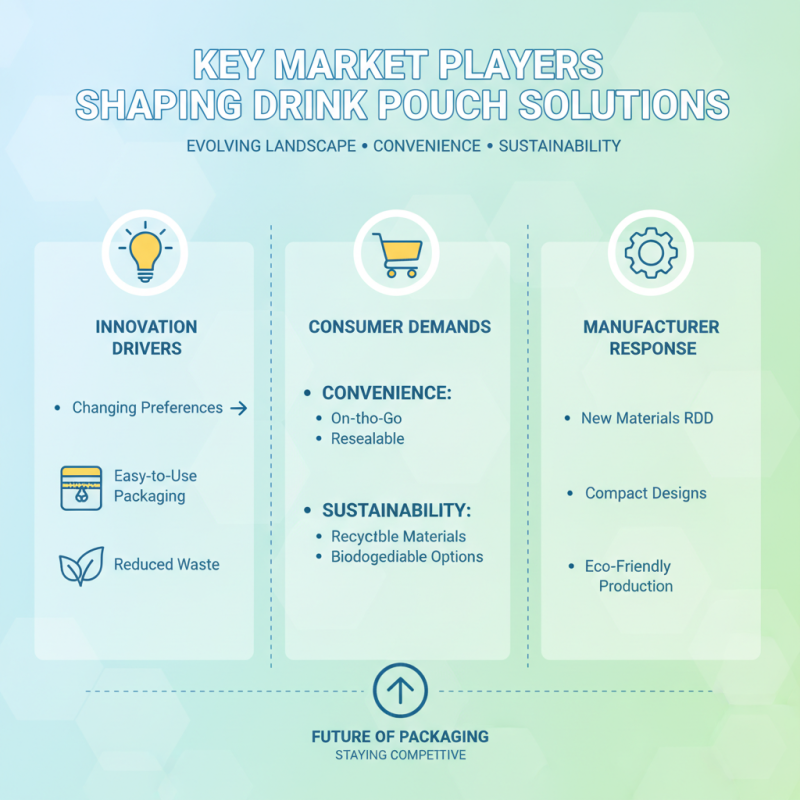
The landscape of drink pouch solutions is evolving rapidly. Key market players are innovating to meet changing consumer preferences. Modern consumers seek convenience and sustainability. They want packaging that is easy to use and helps reduce waste. Manufacturers must respond to these demands to stay competitive.
Emerging trends highlight a shift towards eco-friendly materials. Many companies are exploring biodegradable options and recyclable pouches. Some are even experimenting with plant-based plastics. Such innovations reflect a deeper commitment to environmental responsibility. However, challenges remain. Sourcing sustainable materials is not always straightforward. Companies must ensure that these materials maintain quality and functionality.
Collaboration is another crucial aspect of this market. Partnerships between manufacturers and suppliers can drive innovation. Sharing knowledge leads to better product design. Yet, not all collaborations yield desired results. Some may struggle with communication or alignment of goals. In an industry focused on agility and responsiveness, continuous reflection and improvement are vital.
Consumer Preferences Influencing Drink Pouch Innovation Strategies
In the evolving landscape of drink pouch packaging, consumer preferences significantly drive innovation strategies. As consumers increasingly prioritize sustainability, brands are exploring eco-friendly materials for their Standy Pouch designs. This shift aims to reduce environmental impact while attracting environmentally conscious customers. The focus is not merely on functionality but also on aligning product values with consumer ethics.
Modern consumers desire convenience without compromising quality. They prefer pouches that are easy to carry and use. Many brands are investing in resealable features and easy-pour spouts. These innovations cater to the busy lifestyles of consumers, enhancing their overall experience. However, it's essential for companies to continually assess these innovations to meet changing demands.
Tips: Use resealable pouches for added convenience. Consider lightweight materials that reduce carbon footprints. Brands should regularly solicit feedback to refine designs based on consumer needs and preferences. Balancing innovation with reflective practices is crucial for staying relevant in the competitive market of drink pouches.
Future Challenges Facing OEM ODM Drink Pouch Manufacturers
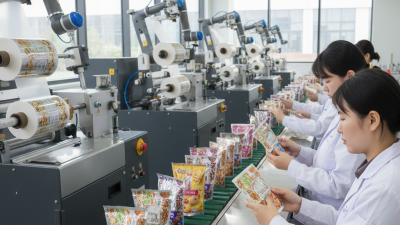
The OEM ODM drink pouch manufacturing sector faces significant challenges ahead. As consumer preferences shift towards eco-friendly packaging, manufacturers must adapt or risk being left behind. Developing sustainable materials is crucial. However, the transition can be costly and complex, requiring extensive R&D.
Pricing pressure from retailers complicates this landscape. Short production runs may lead to higher costs. Balancing quality with affordability is a tightrope walk. Manufacturers need to innovate without sacrificing their margins. Continuous improvement processes can help streamline operations and reduce waste.
Tips: Focus on smaller batch sizes. This can foster innovation without overwhelming resources. Collaborate with suppliers to source sustainable materials proactively. Regularly review market trends and adapt quickly. The landscape is always changing; staying ahead is vital. Consistent reassessment can reveal areas for growth and improvement. Manufacturers must remain agile, ready to embrace new ideas and technologies.
Exploring Versatile Snack Packaging: The Benefits of Resealable Stand Zipper Pouches from Chinese Suppliers
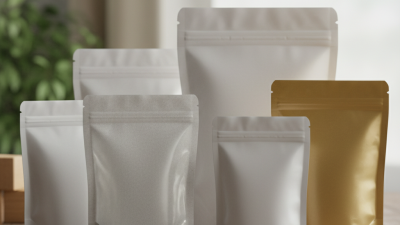
When it comes to packaging snacks, the choice of materials and design can significantly impact product appeal and consumer experience. Resealable stand zipper pouches are an increasingly popular solution, especially when sourced from reputable Chinese suppliers. These pouches offer not only convenience but also versatility, making them an ideal choice for a wide range of snacks, from granola to dried fruits. The resealable feature ensures freshness, allowing consumers to enjoy their snacks at their own pace without worrying about air exposure.
Customizing your snack packaging has never been easier. Start by selecting the type of resealable stand zipper pouch you'd like to make, and proceed by choosing the components that best suit your brand's needs. You can bring your vision to life by sending design files in various formats such as AI, PSD, or PDF. It’s crucial to provide detailed specifications including dimensions, material structure, thickness, and quantity. For new projects, clarity about the items to be packaged and their capacity will help in crafting the perfect pouch.
As a leading manufacturer in China, our focus is on delivering tailored solutions that meet the specific requirements of your snacks. We offer expert guidance on selecting the best size and material for your product packaging. By partnering with us, you can elevate your packaging strategy and enhance your product's market presence, ensuring that your snacks not only look appealing but also maintain their quality for longer periods.
FAQS
: Sustainability helps reduce waste and appeals to eco-conscious consumers, making it essential for market relevance.
Many are transitioning to biodegradable materials to lower environmental impact and attract conscious buyers.
Balancing sustainability with cost can be difficult, as sustainable materials may lead to higher prices.
Utilizing solar panels and wind energy can significantly lower carbon footprints, making production more eco-friendly.
Initial costs of renewable energy setups can be high, and ROI tends to take time to realize.
Understanding consumer values helps brands innovate products that align with sustainability and ethics.
Consumers prefer convenience, often seeking resealable features and easy-pour spouts in their pouches.
Regularly assessing innovations and soliciting feedback are key to meeting evolving consumer demands and preferences.
Lightweight materials reduce carbon footprints, enhancing sustainability while maintaining product functionality.
Engaging with suppliers and fostering collaboration can maximize eco-friendly practices and drive significant change.
Conclusion
The article explores the pivotal trends and innovations shaping the drink pouch industry in 2026. It highlights the emerging trends that are driving the demand for drink pouches, including the adoption of innovative materials that enhance both functionality and sustainability. Companies are increasingly focusing on eco-friendly practices to meet consumer expectations for sustainable products, reflecting a broader shift towards environmental responsibility in manufacturing.
Technological advancements are also playing a significant role in revolutionizing the design and production processes of drink pouches. As consumer preferences evolve, manufacturers must adapt their innovation strategies to remain competitive. Additionally, the article discusses the key market players who are influencing the industry's trajectory and the challenges they face in a rapidly changing landscape. Overall, the future of drink pouches appears promising, with a strong emphasis on sustainability and technological integration.