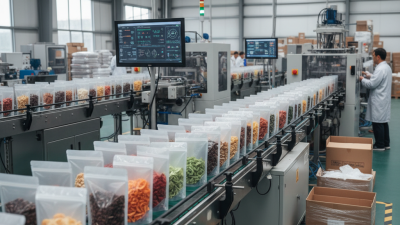
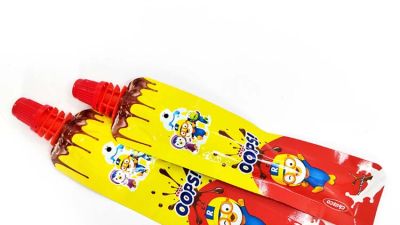
In today's ever-changing world of consumer goods, we're seeing a real rise in the demand for high-quality Packaging Pouch solutions. Companies like Dongguan Dazhan and Shenzhen Mingzi are playing tons of important roles here — they've really pushed the envelope with innovative designs. Plus, with their use of cutting-edge materials, they serve a wide range of industries, from food to medicine.
Looking ahead, the 2026 Canton Fair is set to be a pretty big deal for this industry. It’s stepping into the future with AI-driven features that make it easier for buyers to discover new suppliers. Packaging Pouch manufacturers will get some seriously targeted browsing capabilities, helping them showcase their unique designs better. Still, even with all these upgrades, a lot of companies are finding it tough to truly stand out from the crowd.
Of course, while all these innovations are exciting, challenges definitely remain. One big thing is sustainability — it’s super important for Packaging Pouch production to be more eco-friendly. Many suppliers talk a good game about green options, but there’s still a lot of room for improvement when it comes to cutting down waste. Manufacturers really need to keep evolving and thinking ahead if they want to stay competitive on the global stage.

Emerging Innovations in High-Quality Packaging Pouches in China
Emerging trends in high-quality packaging pouches in China showcase impressive innovation. According to a recent industry report, the market for flexible packaging is expected to grow by 4.6% annually through 2028. Sustainable materials are on the rise. Many manufacturers are exploring bio-based plastics and compostable options. Such sustainable practices align with growing consumer demand for eco-friendly solutions.
Zip Pouch Packaging has gained popularity due to its convenience. These pouches offer efficient product preservation and easy access for consumers. Data shows that flexible pouches often reduce packaging waste by up to 50%. However, some companies struggle with sourcing sustainable materials that meet performance standards. This presents a challenge for the industry, as the demand for high-quality products increases.
Another noteworthy trend is the integration of smart technology. Packaging with QR codes or NFC technology enhances consumer engagement. However, the cost of developing smart packaging can be a barrier for small manufacturers. They often find it challenging to balance innovation with affordability. The drive for creativity continues, and businesses must adapt to remain competitive in a rapidly changing market.
Top China High-Quality Packaging Pouch Supplier Innovations and Trends
| Innovation Type |
Description |
Material Used |
Sustainability Rating |
Market Trend Impact |
| Stand-Up Pouches |
Innovative design allows for easy display and storage |
Biodegradable plastics |
High |
Increasing popularity in food packaging |
| Resealable Pouches |
Convenient for consumers, extending product life |
Recyclable materials |
Medium |
Growing demand for convenience in retail |
| Vacuum Seal Pouches |
Preserves freshness and extends shelf life significantly |
Nylon and PE composites |
Low |
High preference in meat and cheese markets |
| Custom Printed Pouches |
Enhances brand identity and consumer appeal |
Multi-layered films |
Medium |
Important for market differentiation |
| Eco-Friendly Pouches |
Made from recyclable or compostable materials |
Plant-based resins |
Very high |
Rising consumer demand for sustainable packaging |
Key Materials Used in Top Packaging Pouches and Their Benefits
The packaging industry is evolving rapidly. As consumers demand more sustainable solutions, materials play a crucial role. Key materials in high-quality pouches include biodegradable plastics, metalized films, and laminated structures. These materials significantly enhance product shelf life and maintain freshness.
Biodegradable plastics offer an eco-friendly alternative to traditional plastic. According to a recent study, they can reduce plastic waste by up to 30%. Metalized films provide excellent barrier properties. This helps protect products from moisture and light, thereby extending freshness. Brands gravitate towards these materials to align with sustainability trends while improving functionality.
Laminated structures, though complex, can enhance durability. They can require more careful manufacturing processes. Yet, their strength is impressive. Research indicates that using layered materials can cut down food spoilage by 15%. There are challenges to consider. The lifecycle impact of these innovations needs more scrutiny. Balancing functionality with environmental concerns is ongoing. There's no perfect solution, but innovation continues to push boundaries in the packaging sector.
Sustainable Practices Adopted by Leading Chinese Packaging Suppliers
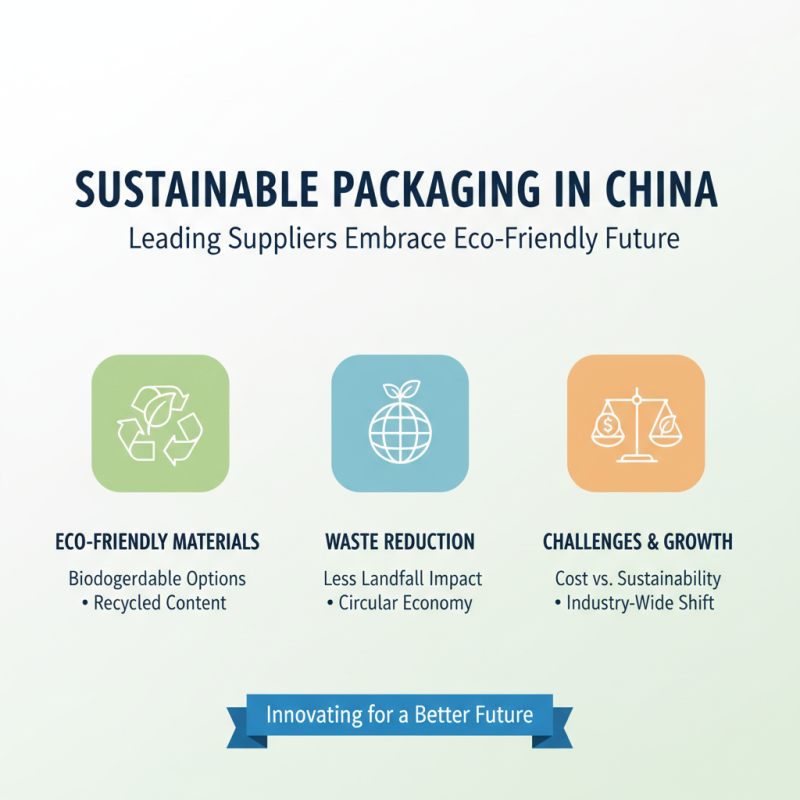
In recent years, many Chinese packaging suppliers have embraced sustainable practices. They focus on using eco-friendly materials to reduce waste. For instance, biodegradable options are becoming more common. This shift is not just a trend; it's necessary for a better future. Nevertheless, the transition poses challenges. Suppliers must balance cost and sustainability.
One popular innovation is Spout Pouch Packaging. This type of packaging is both convenient and recyclable. Suppliers are exploring ways to make it more sustainable. Some are experimenting with plant-based materials. Yet, finding the right mix can be difficult. The industry often struggles with material sourcing.
Moreover, reducing plastic usage is a priority. Many suppliers are trying to minimize excess packaging. However, results vary greatly across the industry. Some companies show progress, while others lag behind. This inconsistency raises questions about the commitment to sustainability. As the demand for greener options grows, suppliers must adapt or risk losing market relevance.
Technological Advances Transforming Packaging Pouch Design and Functionality
The packaging pouch industry is rapidly changing. New technologies are reshaping how pouches are designed and function. Innovative materials are now available, enhancing durability and sustainability. These advances focus on creating lightweight yet sturdy options. The introduction of smart features is also on the rise. Sensors and QR codes can provide consumers with real-time information.
Tips: Consider how packaging can engage customers. Interactive designs can attract attention. Look into eco-friendly materials for packaging. Consumers increasingly prefer sustainable choices.
There's an ongoing push for improved seal integrity. Weak seals can lead to product spoilage, harming brands. Packaging pouches must now offer better protection and freshness. However, some manufacturers struggle to meet these new standards. Balancing quality and cost is a significant challenge. Companies need ongoing reflections on production processes.
With technological innovations, the aesthetics of packaging are evolving. Eye-catching designs may enhance shelf appeal, but they must not compromise functionality. The blend of form and function requires careful consideration. However, not all designs translate effectively in the market. Testing and feedback are essential to refine approaches.
Market Trends Influencing High-Quality Packaging in China's Industry
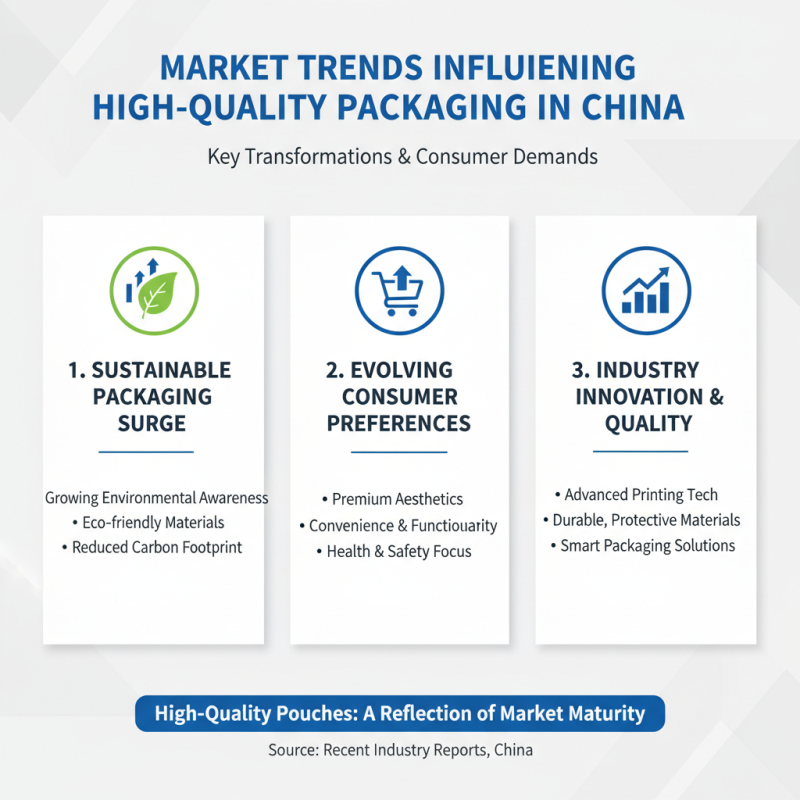
The Chinese packaging industry is experiencing significant transformations. High-quality packaging pouches are now more than a trend; they reflect changing consumer preferences and market demands. According to recent industry reports, sustainable packaging solutions have surged in popularity, driven by a growing environmental awareness among consumers.
Current data suggests that nearly 70% of Chinese consumers consider the packaging's sustainability when making purchases. This shift creates a challenge for manufacturers to adopt eco-friendly materials without compromising quality. Innovative materials, such as biodegradable plastics, are gaining traction, although they're not yet widespread.
Furthermore, the rise of e-commerce influences packaging designs. Pouches must endure shipping stresses and maintain product integrity. Reports indicate that up to 30% of package returns are due to damages during transit. Consequently, understanding these dynamics is essential for packaging suppliers. The market demands creative solutions that balance quality with functionality. Yet, this evolution requires continuous reflection and adjustment from the industry to meet these evolving needs effectively.
Case Studies of Successful Packaging Pouch Innovations in China
In recent years, the trend of
sustainability has shaped packaging pouch innovations in China. Companies are increasingly exploring eco-friendly materials. For example, options like
biodegradable films are becoming popular. These materials reduce environmental impact, but they also raise questions about durability. A
balance between sustainability and functionality is essential.
Another noteworthy trend is the use of
Retort Pouch Packaging. This technology allows for cooking and storing food in the same pouch. Some brands have found success by incorporating easy-to-use features.
Zippers or tear notches simplify access. However, the challenge lies in maintaining quality during the cooking process. Not all materials handle heat well, and this can affect taste.
Moreover, branding through
innovative designs has gained momentum. Eye-catching graphics attract consumers. Nevertheless, this emphasis on aesthetics might compromise the pouch's practical functionality. It's vital to ensure that design does not outshine usability. Companies must reflect on how to achieve a harmonious blend between
appealing visuals and effective packaging.
Future Directions for High-Quality Packaging Solutions in China
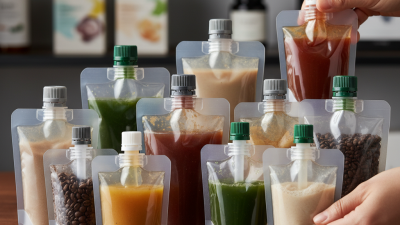
The landscape of high-quality packaging solutions in China is evolving quickly. Innovations are shaping the industry, reflecting consumer preferences and environmental considerations. One key trend is flexibility. Liquid Packaging Pouch designs are becoming more versatile. They cater to various liquids while ensuring safe and efficient storage. This adaptation is vital in meeting diverse market demands.
Sustainability is also a significant focus. Many manufacturers are exploring eco-friendly materials. This shift aims to reduce the environmental impact of packaging waste. However, the transition poses challenges. Not all sustainable materials offer the same performance or protection. Companies need to find a balance between quality and environmental responsibility.
Moreover, digital technologies are transforming packaging design processes. Advances in design software allow for quicker iterations. This speed can lead to creative solutions but may also sacrifice thorough testing. The industry must remain vigilant in ensuring product safety. As trends continue to emerge, the importance of quality remains paramount. Companies should continually evaluate their strategies to align with these changes.
Trends in High-Quality Packaging Solutions in China
Maximize Freshness and Appeal: Introducing Factory Wholesale Moisture Proof Chocolate Spout Pouches
Introducing our factory wholesale moisture proof chocolate spout pouches, designed specifically to maximize freshness and appeal for your premium chocolate products. These specialized pouches not only safeguard the quality of your chocolates by preventing moisture ingress but also add a visually stunning element to your packaging. With a spout feature, they offer convenience for both retailer and consumer, ensuring easy dispensing while maintaining the integrity of the product.
To place an order and customize your pouches, the process is straightforward. First, select the type of bag that best fits your needs. Next, choose the components you wish to include, and provide us with your design files in formats like AI, PSD, or PDF. It’s essential to specify your requirements clearly, detailing the size, material structure, thickness, quantity, and any specific needs for your project. If you're embarking on a new initiative, let us know what you will be packing and the desired capacity, and we will gladly guide you on the optimal size and material choice for your pouches.
FAQS
: New technologies are reshaping designs and functionality, enhancing durability and sustainability.
Nearly 70% of consumers prioritize sustainability when purchasing, pushing manufacturers to adapt.
Maintaining seal integrity is crucial; weak seals can lead to spoilage and brand damage.
Eye-catching designs enhance appeal, but must balance with functionality to be effective.
Versatile designs ensure safe storage for various liquids, meeting diverse market needs.
Packaging must withstand shipping stresses; damages during transit lead to high return rates.
No, not all sustainable options provide the same protection, challenging manufacturers' choices.
Interactive designs can attract customers and enhance their overall experience.
Continuous testing and feedback are necessary to ensure safety alongside innovative designs.
They need to balance quality, sustainability, and consumer preferences while reflecting on production processes.
Conclusion
The article explores the latest innovations and trends in high-quality packaging pouches in China, highlighting the emergence of new materials that enhance functionality and sustainability. Key materials, such as biodegradable films and barrier coatings, are examined for their benefits in preserving product freshness while minimizing environmental impact.
Furthermore, the piece delves into technological advancements that are reshaping packaging pouch design, including smart packaging features that provide real-time information about contents. Market trends indicate a growing consumer preference for eco-friendly options, prompting leading Chinese packaging suppliers to adopt sustainable practices. The article also presents case studies that illustrate successful innovations within the industry, offering insights into future directions for high-quality packaging solutions in China.