Picking the right Fruit Bag for export isn’t exactly a walk in the park. I mean, finding one that keeps your fruits or veggies fresh can be a bit of a headache, right? As international trade keeps growing, it’s more important than ever to really understand the different materials and designs out there.
Things like size, how tough the bag is, and whether it’s eco-friendly can totally influence your decision. There are tons of companies offering all sorts of options, but not every bag will fit your specific needs. For example, some might have better airflow, which is great for certain produce, while others are built to be super sturdy.
Honestly, it’s worth thinking about what really matters for your products. Remember, this isn’t just about buying a bag—it’s about making sure your customers stay happy. You’ve probably seen some suppliers claim their bags are top-notch, but sometimes reality doesn’t quite match the hype. So, it’s a good idea to check reviews and do a bit of digging before making a final call. At the end of the day, choosing the right Fruit Bag could make a real difference in your export game.
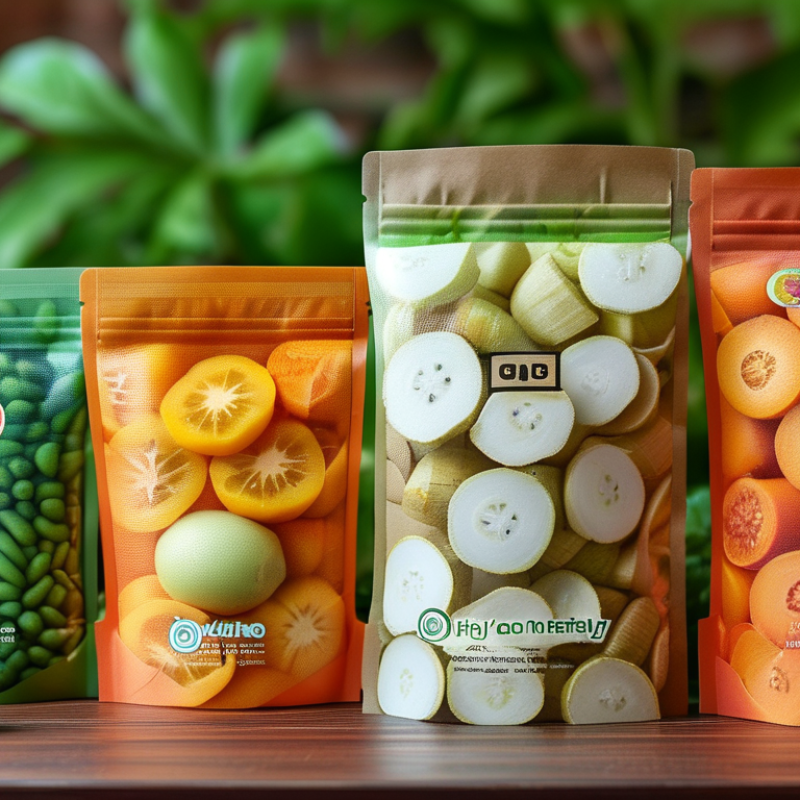
Understanding the Importance of Fruit Bags in Exporting
When exporting fruits, the choice of packaging is vital.
Fruit bags play a crucial role in maintaining freshness, preventing spoilage, and ensuring safe transportation.
According to industry reports, approximately 25% of perishable goods lose quality during transit due to inadequate packaging.
This emphasizes the importance of selecting the right fruit bags for different types of fruits.
Understanding the specific needs of various fruits is essential.
For instance, delicate fruits like berries require breathable and cushioned bags.
In contrast, sturdier fruits can use more robust materials.
The right fruit bags help reduce bruising and moisture loss.
Studies show that properly packaged fruits can maintain quality for up to 14 days longer in transport.
However, many exporters overlook these details, opting for generic solutions that may not meet their specific needs.
Sustainability is becoming increasingly important.
Many exporters feel pressured to choose eco-friendly options without fully understanding their effectiveness.
A report by the Food and Agriculture Organization indicates that sustainable packaging can reduce waste by up to 30%.
Nevertheless, understanding the materials and their impact on fruit preservation is often overlooked in this rush for greener options.
Balancing sustainability and protection is key, yet many still find themselves grappling with this challenge.
Types of Fruit Bags: Exploring Materials and Designs
When choosing fruit bags for export, material and design are crucial. Different fruits require various protection levels during transportation. Common materials include polyethylene, burlap, and biodegradable options. Each has unique properties that cater to diverse needs.
Polyethylene bags are lightweight and moisture-resistant. Burlap offers breathability but may not be suitable for wet conditions. Biodegradable bags are eco-friendly but can be less durable.
Design plays a vital role in functionality. Ventilation holes can prevent moisture buildup. Reinforced seams provide extra durability. Some bags include padded interiors for fragile fruits. Think about how these features can enhance fruit freshness. Consider the bag's capacity too. It should accommodate the fruit size without excess space.
Tips: Always test the bags before full-scale use. Check how well they hold up under stress. Monitor fruit quality during transit. Sometimes, bag flaws only show up after several uses. Be ready to adapt based on your observations. Regular feedback can guide your choices. This ensures your fruit export remains in top condition.
Evaluating the Durability and Strength of Fruit Bags
When selecting a fruit bag for export, durability and strength are key factors. High-quality materials ensure that the bags withstand long transport times and varying weather conditions. Consider options made from reinforced plastics or organic fibers. These materials can resist tearing and punctures, providing better protection for your fruits.
Tips: Look for bags with additional layers. This can improve strength and help in maintaining the freshness of your produce. Check the thickness of the material. Thicker bags typically handle heavier loads without compromising. Regularly assess your needs and modify your choices as per changing requirements.
An often overlooked aspect is the bag's design. A well-structured bag can evenly distribute weight. This helps in avoiding damage to the contents during transit. For instance, a Bread Bag variant may offer versatile storage options while ensuring protection. Investing time to test various designs can lead to significant improvements.
Always keep in mind that not all bags perform equally well. Real-world tests are essential before committing to a bulk purchase. Seek feedback from peers in the industry to gauge reliability. Remember, your choice directly impacts product quality upon arrival.
Fruit Bags Durability Comparison
Sizing Considerations for Fruit Bags in Export Processes
Choosing the right size for fruit bags is crucial in export processes. The dimensions of bags can greatly impact the preservation and protection of fruits during transit. For exporters, selecting a bag that snugly fits the fruits minimizes movement. This can reduce bruising, spoilage, and waste.
Consider the type of fruit you'll be exporting. Some fruits, like apples, require more cushioning than delicate berries. The size of the bag must accommodate not just the fruit but also allow some airflow. Proper ventilation helps extend shelf life. Inconsistent sizing can result in losses, so it's essential to prioritize accuracy.
Available sizes vary widely in the market. However, larger bags are not always better. Oversized bags can lead to excess air space, which may lead to damage. Reflecting on bag dimensions is necessary to avoid mistakes. Investing time in measuring and testing different sizes pays off. Ultimately, the right bag can enhance the efficiency and success of your export operations.
Sustainability and Eco-Friendliness in Fruit Bag Options
In today’s export market, sustainability and eco-friendliness are vital considerations for selecting fruit bags. Research indicates that the global demand for sustainable packaging solutions has surged by 38% in recent years. This trend aligns with consumer preferences for environmentally responsible products. Many exporters are recognizing that switching to eco-friendly materials can appeal to environmentally conscious buyers.
Among various options, biodegradable and compostable materials have gained popularity. These materials can significantly reduce plastic pollution, which accounts for over 8 million tons entering oceans annually. Additionally, using a Juice Bag made from sustainable materials can enhance your export product appeal. It represents a commitment to environmental protection, allowing exporters to connect with their customers on a deeper level.
However, there are challenges to consider. Not all eco-friendly bags perform equally. Some may not offer the same durability or shelf life as traditional options. Quality control is essential. Consistent testing of these materials can ensure they meet export standards. Exporters must weigh the pros and cons carefully when choosing sustainable fruit bag options.
How to Choose the Best Fruit Bag for Your Export Needs? - Sustainability and Eco-Friendliness in Fruit Bag Options
| Bag Type |
Material |
Recyclability |
Cost (per unit) |
Environmental Impact |
| Biodegradable Bags |
PLA (Polylactic Acid) |
Yes |
$0.30 |
Low |
| Recyclable Plastic Bags |
HDPE (High-Density Polyethylene) |
Yes |
$0.10 |
Medium |
| Reusable Cotton Bags |
Cotton |
Yes |
$1.00 |
Very Low |
| Compostable Bags |
Starch-based |
Yes |
$0.40 |
Low |
| Paper Bags |
Kraft Paper |
Yes |
$0.50 |
Medium |
Cost Analysis: Budgeting for the Right Fruit Bag
When budgeting for fruit bags, consider various factors that influence cost. The material, size, and design directly impact the price. For example, biodegradable options may cost more upfront but can reduce disposal expenses in the long run. Analyzing your export volume helps determine the most economical choice.
Tips: Choose materials that ensure durability and prevent spoilage. Investing in high-quality bags can protect your fruit during transportation. You might spend more initially, but the savings from reduced waste are significant.
Additionally, remember to account for shipping and handling fees. These can vary based on the weight and volume of your chosen bags. Researching multiple suppliers can reveal price variations. Small local producers may offer competitive prices, while larger suppliers could provide bulk discounts.
In your search for the right fruit bag, consider versatility. A bag that serves multiple purposes, like a Pastry Bag, might be valuable. Evaluate whether a single bag type can meet different needs, reducing overall costs. Be open to reassessing your choices; what seems perfect now could require adjustments in the future.
Regulations and Standards for Export Fruit Packaging
When exporting fruit, understanding regulations and standards is crucial for success. Different countries have specific requirements concerning packaging materials and methods. This ensures the safe transport of produce while complying with health and safety regulations. For instance, fruit often needs to be packaged in breathable materials. This helps maintain freshness during transit.
One common material is plastic mesh or perforated bags that allow airflow. However, finding the right balance can be challenging. Some exporters prefer flexible options, like a Coffee Bag, which can be adapted for different fruits. It's essential to check if packaging meets the destination's standards. This includes compliance with weight limits, labeling, and material safety.
Moreover, packaging should protect fruits from damage and spoilage. Ensuring your packaging can withstand various handling conditions is vital. This may require testing or adjusting your choices based on feedback. Listening to insights from logistics partners can enhance your approach. They often have practical experience that reveals what works best. Balancing compliance, safety, and practicality demands ongoing reflection and adjustment.
Trends and Innovations in Bread and Sandwich Packaging: Insights from the Global Flat Bottom Bag Market Analysis
The global packaging market for bread and sandwiches is currently experiencing significant transformation, particularly with the increasing popularity of flat bottom bags. According to a recent market analysis, the demand for innovative packaging solutions is projected to grow at a compound annual growth rate (CAGR) of approximately 5.2% over the next five years. This surge can be attributed to consumer preferences for convenience, sustainability, and enhanced product visibility. Flat bottom bags, which offer a stable base and ample space for branding and product presentation, are leading the charge in this evolving landscape.
When considering how to create these customizable flat bottom bags, starting your order with a reliable factory is essential. Select the type of bag that aligns with your product requirements and communicate your unique specifications. For instance, details such as size, material structure, and thickness are critical to ensuring the bags not only protect your product but also convey your brand’s message effectively. Moreover, in light of the ongoing trends favoring sustainable materials, manufacturers are now able to provide expert advice on eco-friendly options that meet both regulatory standards and consumer expectations.
Finally, it’s crucial to provide thorough design files in formats like AI, PSD, or PDF along with quantitative details like the desired capacity for new projects. The experienced team at your chosen factory will guide you through the process, ensuring that you select the most suitable materials and dimensions for your packaging needs. As the market for flat bottom bags continues to grow, staying ahead with innovative design and materials will be fundamental to capturing consumer attention and enhancing product appeal.
FAQS
: Common materials include polyethylene, burlap, and biodegradable options. Each serves different needs for protection.
Design affects airflow and durability. Features like ventilation holes can prevent moisture. Reinforced seams add strength.
Testing is crucial before large-scale use. It reveals how well they hold up. Issues may only surface after several uses.
Biodegradable bags reduce plastic pollution. They appeal to environmentally conscious buyers and support sustainability.
Not all eco-friendly bags are equally durable. Some may have shorter shelf lives. Quality control is essential for export.
Regular monitoring is important. Observe the condition of fruits and bags. Adapt choices based on observations for better results.
Features like padded interiors can protect fragile fruits. Appropriate capacity is also vital to prevent crowding.
Yes, demand for sustainable packaging has surged. Many exporters are switching to eco-friendly materials to meet consumer preferences.
They should weigh performance against sustainability. Consistent testing ensures the bags meet necessary export standards.
Regular feedback helps identify issues. It can influence future decisions and improve overall fruit export quality.
Conclusion
When exporting fruits, selecting the right Fruit Bag is crucial for ensuring product quality and meeting market demands. Understanding the importance of Fruit Bags in the export process involves exploring various materials and designs that cater to different types of fruits. It's essential to evaluate the durability and strength of these bags to withstand transportation challenges while considering sizing specifications that align with export processes.
Moreover, sustainability and eco-friendliness are increasingly important factors in choosing Fruit Bags, as consumers and regulations push for environmentally responsible packaging solutions. A thorough cost analysis helps businesses budget effectively for the most suitable Fruit Bags, ensuring compliance with regulatory standards and industry practices. Ultimately, selecting the best Fruit Bag combines practicality, environmental considerations, and adherence to export regulations to ensure a successful fruit exportation experience.