Leave Your Message
0%

Picking out the right Laminated Film for your business can feel kinda overwhelming, right? Honestly, a lot of companies struggle with figuring out which film actually fits their specific needs. While laminated film is great for protecting your products and making things look nicer, it’s super important to understand that there are different types out there—and each one serves different purposes.

Experience really does make a difference here. Different industries have their own requirements. For example, retail packaging might prefer a shiny, glossy finish to catch the eye, whereas industrial applications often need something super tough and durable. Partnering up with reliable suppliers can give you some good insights—trust me, they’ve seen it all. It’s worth taking some time to research and compare a few options, because finding the perfect fit really depends on what you’re working with.

That said, not all laminated films perform the same. Some might promise durability and strength, but then fall short in real-world situations. Honestly, a bit of trial and error is just part of the process—don’t get discouraged if something doesn’t work out right away. Looking at what works and what doesn’t can actually teach you a lot and help you make smarter choices down the line.
How to Choose the Right Laminated Film for Your Business?

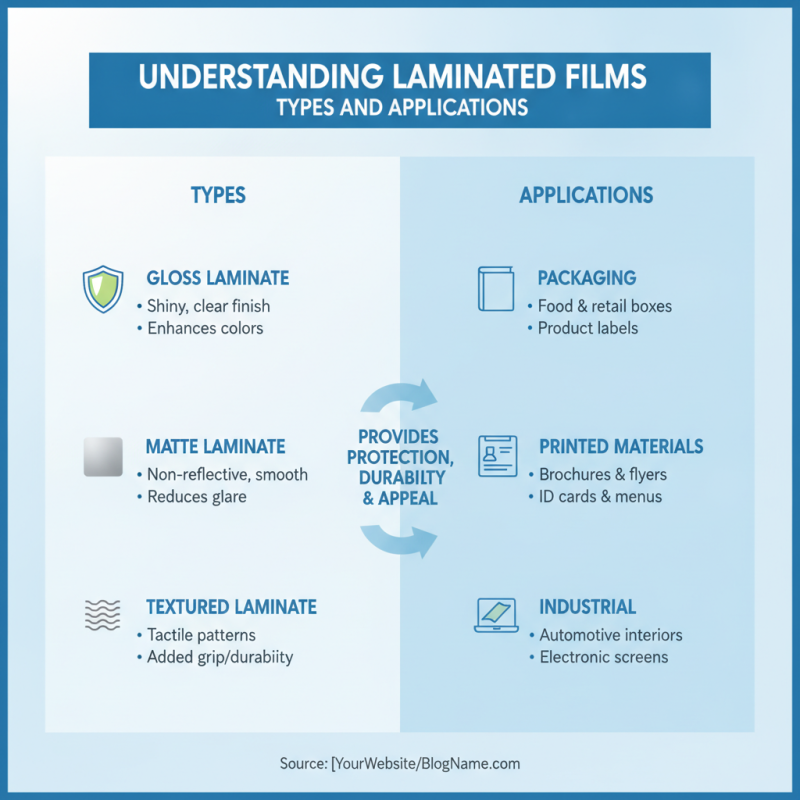
Understanding Laminated Films: Types and Applications

How to Choose the Right Laminated Film for Your Business?

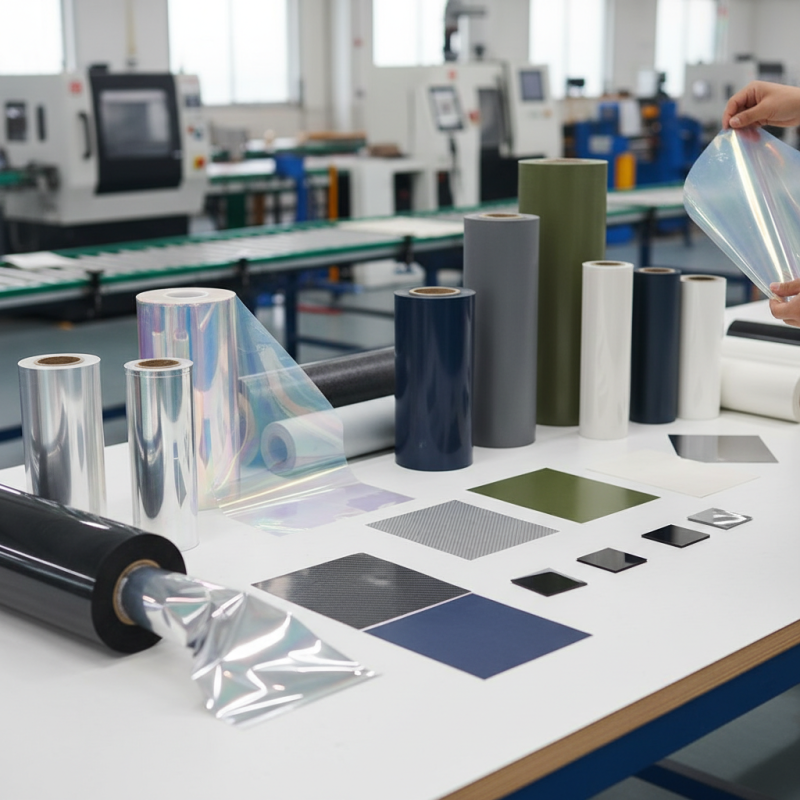
Laminated films are essential in various industries. They provide protection, durability, and an appealing appearance to products. Understanding the different types of laminated films is crucial. Each type has unique characteristics suited for different applications.

Thermal laminates are popular for documents and printed materials. They are heat-activated, ensuring a strong bond. Cold laminates, on the other hand, use adhesive layers and are ideal for delicate items. They do not require heat, preventing any damage. If you need flexibility, consider pressure-sensitive laminates. They are easy to apply and can be removed when necessary.

Choosing the right type can be challenging. Factors such as thickness, finish, and adhesive strength should be considered. A matte finish may work better for professional documents. Glossy finishes enhance colors and visuals. Reflecting on your specific needs helps in making informed choices. It's a balance between protection and aesthetics. Always test samples before finalizing your decision to avoid costly mistakes.

Assessing the Key Features of Laminated Films for Your Needs

When choosing laminated films, consider their key features carefully. The thickness of the film affects durability. Thicker films provide better protection but can be heavier. Think about how you will use the films. Will they be on shelves or in harsh environments?

Another important factor is the finish. A glossy finish can enhance appearance but may show fingerprints. Matte options reduce glare but can reveal scratches. For packaging solutions like Laminated Hdpe Bags, the choice between finishes could impact shelf appeal significantly.

Don't overlook the adhesive properties. Strong adhesion is essential for films that face wear. Weak adhesive can lead to peeling, compromising product integrity. Consider your specific needs, such as moisture resistance or UV protection. Reflect on whether you’ve considered all these aspects. Sometimes, the perfect option might not fit every requirement.

How to Choose the Right Laminated Film for Your Business? - Assessing the Key Features of Laminated Films for Your Needs

Feature Description Best Use Case
Material Type Polyester (PET), BOPP, Nylon Varies by application, PET for durability, BOPP for clarity.
Thickness Common thickness range from 1 mil to 10 mil Thicker films for sturdiness, thinner for flexibility.
Finish Type Glossy, matte, or textured finishes Glossy for vibrant colors, matte for more understated elegance.
Adhesive Type Pressure-sensitive, heat-activated, cold seal Pressure-sensitive for easy application, heat-activated for strong seals.
Environmental Resistance Water, UV, chemical resistance Use in outdoor applications or environments with exposure to moisture.

Evaluating Cost vs. Quality in Laminated Film Selection

How to Choose the Right Laminated Film for Your Business?

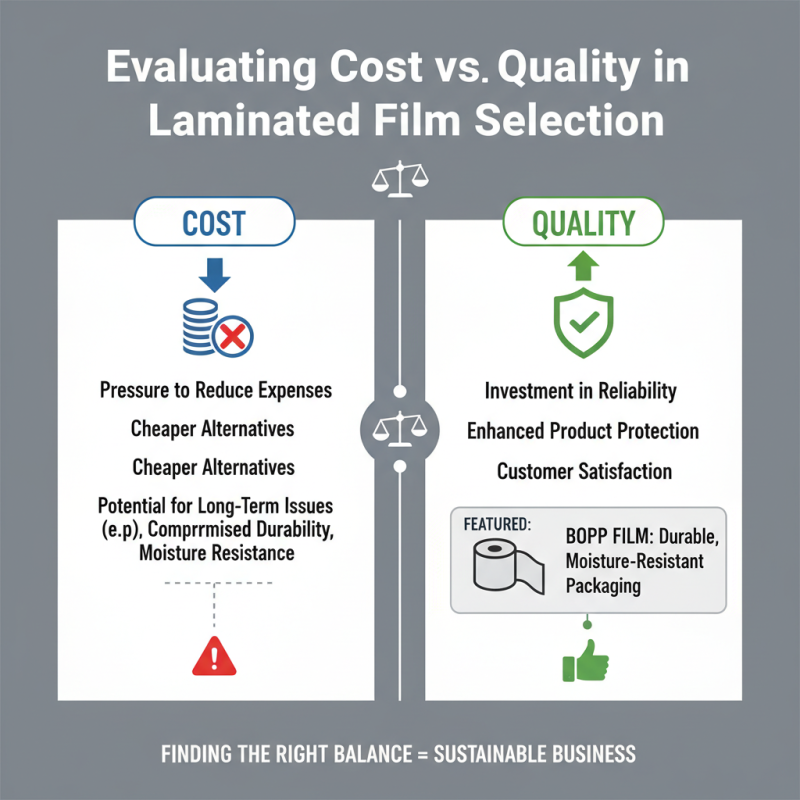
Choosing the right laminated film involves a delicate balance between cost and quality. Businesses often feel pressure to reduce expenses, but sacrificing quality could lead to long-term issues. For example, Bopp Film is a popular choice in packaging. Its advantages include durability and moisture resistance. However, opting for cheaper alternatives might compromise these qualities.

When evaluating laminated films, consider the specific needs of your products. Some films may appear budget-friendly but fail in performance tests. Low-quality materials can lead to product spoilage or damage during transport. This might not show immediately but can harm your brand's reputation over time. Understanding the implications of choosing Bopp film for its quality is essential.

Reflect on your priorities. Do you value long-term reliability over short-term savings? Every business has unique needs and constraints. By weighing cost against quality, you ensure your film selection aligns with your business's goals. The importance of this decision extends beyond immediate costs, impacting customer satisfaction and trust in your brand.

Identifying the Right Thickness for Your Laminated Film Projects

Choosing the right thickness for your laminated film projects is essential for achieving optimal protection and aesthetics. The thickness you select will affect durability and flexibility. Thicker films typically provide greater protection but may compromise clarity. You want a balance between strength and visibility.

When considering thickness, think about the end use of your laminated items. For documents frequently handled, a thicker Roll Film is ideal. It offers better resistance to wear and tear. In contrast, if your project involves items that require a crisp appearance, a thinner film might serve you well.

Tip: Always test your chosen thickness with sample materials. This practice helps avoid costly mistakes. Adjust based on how it feels and looks. Also, consult with industry experts or manufacturers. Their insights can guide you to the best choice for your specific applications.

Another consideration is the environment where your laminated items will be used. If the items will face moisture or high temperatures, a thicker roll film is advisable. It will hold up better under challenging conditions. Decide on the best fit by analyzing your needs carefully.

Considering Environmental Impact: Sustainable Laminated Film Choices

Laminated films play a crucial role in packaging. However, businesses today must consider their environmental impact. Sustainable choices in laminated films can significantly reduce plastic waste. According to a 2021 report by the Ellen MacArthur Foundation, only 9% of plastic is recycled globally. This statistic highlights the urgency for more responsible materials in packaging.

Choosing eco-friendly laminated films involves assessing the type of materials used. Biodegradable films, made from renewable resources, are excellent alternatives. They break down more quickly than traditional Plastic Film. Research shows that these materials can reduce carbon footprint by up to 60%. Look for films that are certified compostable and free from harmful chemicals.

Tips: Evaluate the full life cycle of laminated films. Consider sourcing from manufacturers using recycled materials. This supports circular economy efforts and minimizes environmental harm. Always ask suppliers for environmental certifications. The right choice can enhance your brand's credibility. Remember, consumers value sustainability in their purchasing decisions. Failing to choose wisely means missing an opportunity to lead in sustainable practices.

Environmental Impact of Different Laminated Film Choices

Looking at Customization Options for Laminated Films

When selecting laminated films, customization options play a crucial role. The right choices can enhance your brand's visibility. Various factors should be considered, like finish types, thickness, and adhesive properties. According to industry reports, nearly 70% of businesses prefer customized solutions for their packaging needs. This statistic emphasizes the demand for tailored laminated films that resonate with specific markets.

Choosing the right finish is vital. Glossy finishes offer vibrant colors, while matte finishes give a sophisticated touch. Businesses often struggle to decide which suits their product best. A survey revealed that 55% of companies found it challenging to balance aesthetics with functionality. Understanding your audience helps in making the right choice.

Thickness also matters. Thicker films provide better durability but might increase costs. A market analysis found that consumers are willing to pay 15% more for premium-quality laminated films. However, not all companies prioritize this investment. It's essential to carefully evaluate your long-term goals against short-term expenses.

Customization is a journey that requires reflection and adjustment. The right mix can elevate your product packaging effectively.

Consulting with Suppliers: Questions to Ask Before Purchase

When consulting with suppliers about laminated film, preparation is key. Start by asking about the film's composition. Knowing the materials used helps in assessing durability and suitability for your products. Make sure to inquire about the thickness options. This will affect both protection and appearance.

Ask about the supplier's experience with your specific industry. An informed supplier can recommend films best suited for your needs. Don't hesitate to question their production processes. Transparency in how the product is made builds trust. Gather information about potential certifications. These can reflect quality standards and compliance.

It's crucial to discuss lead times and order quantities. Suppliers with flexible options can better support your business demands. Consider asking for samples before committing to a large order. This allows you to test the film’s performance and compatibility with your products. Engaging in this thorough dialogue will significantly impact your purchasing decision.

Maximizing Freshness: Insights from Industry Reports on Custom Printing Laminated Plastic Zipper Pouches for Cheese Packaging

In the ever-evolving landscape of food packaging, particularly for cheese, maximizing freshness is a primary focus for manufacturers. Recent industry reports highlight the significant role of custom printed laminated plastic zipper pouches in preserving the quality and extending the shelf life of cheese products. These innovative pouches utilize advanced sealing technologies that create a barrier against moisture and oxygen, ensuring that the cheese retains its flavor and texture. According to a market analysis by Packaging Insights, the adoption of such packaging solutions has increased by over 25% among cheese producers in the past few years, indicating a trend towards more sustainable and efficient packaging methods.

When considering custom laminated pouches, it is vital to understand the process of placing an order. Start by selecting the type of bag that aligns with your product's needs. Subsequently, choose the components you'd like to include—this can be enhanced with your creative designs in formats such as AI, PSD, or PDF. It’s essential to communicate specific requirements, including size, materials, thickness, and quantity. Notably, if you are working on a new project, providing insights about the product's characteristics and the desired packaging capacity will enable manufacturers to offer tailored suggestions. This collaborative approach not only aids in achieving the optimal packaging solution but also reinforces the commitment to maintaining product freshness. As emphasized in various industry studies, well-designed packaging can significantly impact consumer retention and satisfaction, making this initial phase crucial.

FAQS

: What are the key factors to consider when selecting laminated films?

: Consider finish types, thickness, and adhesive properties. These factors enhance brand visibility.

Why is finish type important for laminated films?

Glossy finishes showcase vibrant colors, while matte finishes offer sophistication. Choose what fits your product.

How does film thickness influence business decisions?

Thicker films are durable but may raise costs. Evaluate if this investment aligns with your goals.

What challenges do companies face when choosing finishes?

Many companies struggle to balance aesthetics with functionality. Knowing your audience aids in decision-making.

What should I ask suppliers regarding laminated films?

Inquire about film composition, thickness options, and their experience in your industry for suitable recommendations.

Why is supplier transparency important?

Understanding production processes builds trust and helps in assessing the quality of the final product.

How can I evaluate film performance before purchasing?

Request samples to test compatibility and performance with your products. This helps you make informed decisions.

What role do certifications play in selecting laminated films?

Certifications reflect quality standards and compliance. They can influence your choice of supplier.

How do lead times affect purchasing decisions?

Discussing lead times helps ensure suppliers can meet your business demands. Flexibility is crucial in operations.

Is customization a straightforward process?

Customization is an ongoing journey. It requires reflection and adjustments to find the right mix for success.

Conclusion

When selecting the right laminated film for your business, it is crucial to understand the various types and applications available. Laminated films come in different finishes and strengths, each suited for specific uses. Key features to consider include durability, moisture resistance, and clarity, which can significantly impact the effectiveness of your project. Additionally, you should assess the balance between cost and quality to ensure that you obtain a product that meets your performance requirements without overstretching your budget.

Choosing the appropriate thickness is also vital, as it influences both the handling and longevity of the laminated film in practical applications. With an increasing focus on sustainability, exploring eco-friendly laminated film options is essential for businesses aiming to minimize their environmental footprint. Customization can further enhance the utility of laminated films, allowing for tailored solutions that meet specific needs. Lastly, engaging with suppliers with pertinent questions can aid in making an informed purchase, ensuring that the chosen laminated film aligns with your business goals.

Alexander

Alexander

Alexander is a seasoned marketing professional with a deep expertise in packaging solutions tailored to diverse industries. His adept understanding of market demands allows him to craft innovative packaging strategies, ranging from moisture-proof options for snacks to high-barrier films designed......
Previous 2026 Top OEM ODM Drink Pouch Company Trends and Innovations?