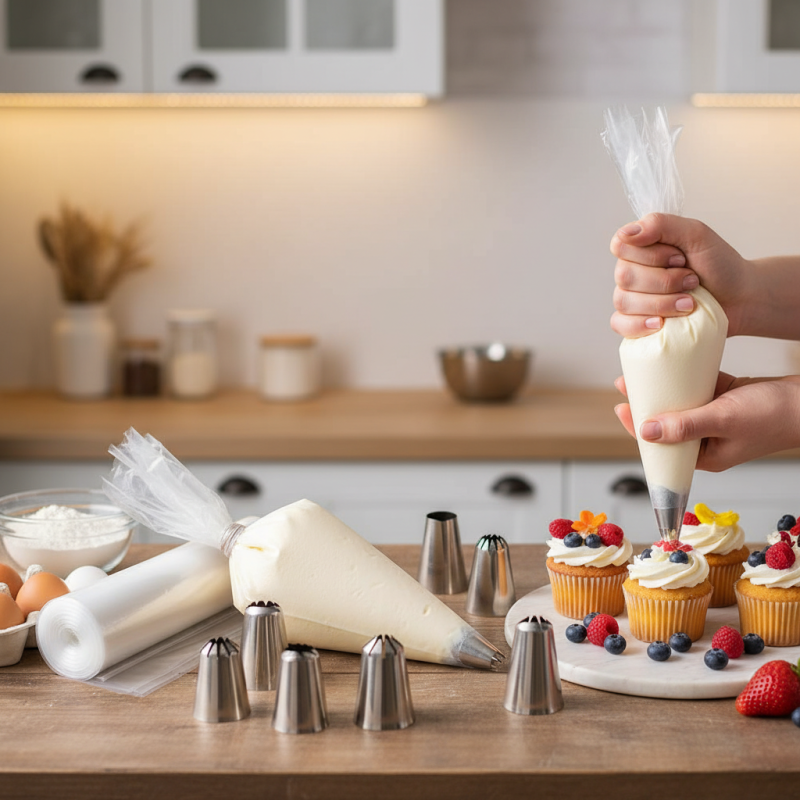
Picking out the right pastry bag is kind of a big deal, whether you're just getting started or you're a pro in the kitchen. Honestly, a good quality pastry bag can really up your decorating game and make your baked goodies look even more awesome. Have you noticed, too? The baking scene's been booming lately — IBISWorld reports a growth rate of over 4.5% annually, which means more folks are diving into baking, and that obviously means a bigger demand for top-notch tools like pastry bags.
When you're choosing one, experts usually say to look at a few key things: the material (silicone or disposable), the size, and how easy it is to handle. Silicone ones and disposable bags are super popular — and honestly, each has its perks for different jobs. Apparently, a study by Food & Beverage Insights found that more than 70% of bakers swear by reusable silicone pastry bags because they’re durable and eco-friendly. But, of course, there’s the downside — keeping them clean can be a bit of a chore, which can be a hassle if you're obsessive about hygiene.
A lot of people tend to focus on making their baked goods look fancy, but trust me, having the right pastry bag can really make a difference in how well you pull off certain techniques. If you don’t, it can get pretty frustrating, especially when you're trying those tricky, detailed designs. The best way? Think about your own baking style and maybe even reminisce about the times you've struggled — that'll help you pick the perfect bag that fits your needs without the hassle.
Understanding Pastry Bags: Types and Uses
Understanding pastry bags is essential for any baking enthusiast. These tools come in various types, each designed for specific tasks. The most common types are disposable, reusable, and silicone bags.
Disposable bags are convenient for one-time use. They eliminate cleanup but may lack the durability needed for heavy icing. Reusable bags offer sustainability but require regular cleaning, which might not be ideal for everyone.
Silicone pastry bags stand out for their flexibility and ease of use. They handle temperature changes well, making them suitable for hot and cold fillings. However, they can be pricier and may not fit everyone’s budget. Choosing the right type requires consideration of your baking habits and preferences.
When it comes to tips for use, remember that a well-fitted nozzle can make a notable difference. Each nozzle creates a different pattern and effect, so experimenting is key. Be mindful of how much filling you use; overfilling leads to messy results.
Pastry bags could get tricky, especially when you apply pressure. Tension in your hands and incorrect grip can cause slips. Understanding your needs will guide you in selecting the perfect pastry bag.
Key Features to Consider When Selecting a Pastry Bag
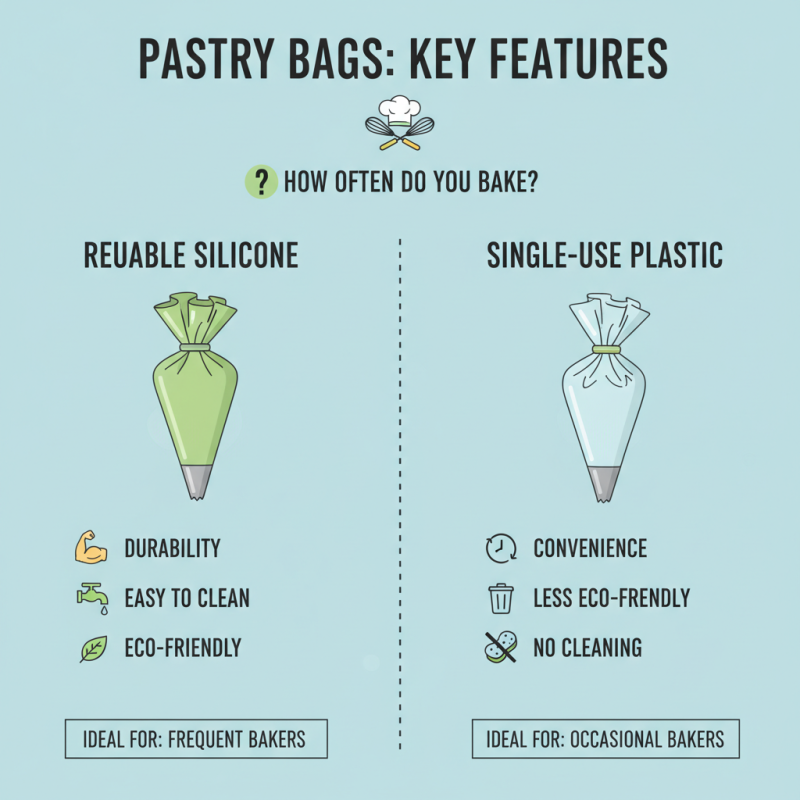
When selecting a pastry bag, consider material types. Reusable silicone bags offer durability and quick cleaning. Single-use plastic bags are convenient but less eco-friendly. Think about how often you'll use the bag. An occasional baker might prefer disposable options. A daily user may benefit more from reusable choices.
Size is another crucial factor. A larger bag holds more frosting or filling, which is great for bigger projects. A smaller bag is perfect for intricate designs or small piping tasks. Remember, a Fruit Bag can be handy for storing leftover fillings or decorative fruits.
Pay attention to the tip compatibility. A bag with a wide open nozzle is versatile. It can handle various tips for different tasks. Reflect on your baking needs: Do you favor detailed work or larger swirls? Understanding your requirements will guide you in choosing the right pastry bag for your endeavors.
Materials Comparison: Silicone vs. Plastic vs. Cloth
When it comes to choosing a pastry bag, the material significantly impacts your baking experience. Silicone, plastic, and cloth each offer unique advantages and drawbacks.
Silicone bags are renowned for their flexibility and durability. Many professionals prefer them for their ability to withstand high temperatures. A report from the American Baking Association indicates that silicone bags can last up to 10 years with proper care. This long lifespan makes them a reliable choice for frequent bakers.
Plastic bags, while popular, present some issues. They are lightweight and disposable, making cleanup easy. However, they often lack sturdiness when filled with thick mixtures. Studies show that nearly 30% of home bakers report frustrations with tearing when using thinner plastic. If you're occasionally baking, these may suffice, yet they aren't ideal for heavy-duty tasks.
Cloth bags stand out in terms of eco-friendliness. They are washable and reusable, aligning with a sustainable lifestyle. Still, they can absorb moisture and odors, which may not be desirable. A survey by the Culinary Institute of America revealed that 40% of bakers noticed lingering smells in cloth bags after washing. Thus, your choice depends on evaluating longevity, usability, and environmental impact. Each option has pros and cons, making it essential to consider personal baking habits.
Choosing the Right Size: A Guide to Pastry Bag Dimensions
Choosing the right pastry bag size is essential for successful baking. The dimensions of pastry bags vary significantly. Typically, these bags come in several sizes ranging from 12 inches to 36 inches. For small tasks, a 12-inch bag works well. It’s perfect for intricate decorating or filling small pastries. On the other hand, larger bags are better suited for larger projects.
Many bakers undervalue the impact of bag size. A too-small bag may burst under pressure, creating a mess. Moreover, a bag that is too large can be unwieldy. Sizing requires thoughtful consideration of the task at hand. Additionally, don’t overlook different shapes; some bags are wider at the base to accommodate various fillings.
Pastry bags can serve multiple purposes. You might fill a Bread Bag with dough or use it for frosting. Versatility is key. Experience shows that the right size bag enhances control while decorating. Yet, there’s no one-size-fits-all answer. Testing different sizes will provide insights into your preferences and baking style.
The Ultimate Guide to Choosing the Best Pastry Bag for Your Needs
| Size (inches) |
Capacity (cups) |
Best Uses |
Recommended Tips |
| 10 x 6 |
2 |
Decorating cupcakes, small piping tasks |
Use a small tip for precision |
| 12 x 8 |
3 |
Filling pastries, icing cakes |
Opt for a medium tip for versatility |
| 14 x 10 |
5 |
Detailed frosting, large cake decorating |
Choose a larger tip for bold designs |
| 16 x 12 |
8 |
Batch cookie decorating, large applications |
Use with a coupler for easy changing of tips |
Essential Accessories for Enhancing Your Pastry Bag Experience
When selecting a pastry bag, the accessories you choose can greatly enhance your baking experience. A good quality coupler is essential. This small, yet vital part allows you to easily switch tips without changing the whole bag. This flexibility is crucial for creating intricate designs and can lead to oil savings of up to 20% during frosting applications, according to industry reports.
Another critical accessory is the support base. Using a stable base can prevent spills and make it easier to fill your bag. Studies suggest that roughly 40% of users experience frustration due to instability while using a pastry bag. A proper base minimizes this issue and adds an overall efficiency to your pastry preparation.
Additionally, consider investing in a Juice Bag for your filling needs. This simple accessory makes it easy to dispense liquids and creams. Its design minimizes mess and maximizes precision, which is key when working with decorative elements.
Many bakers often overlook the importance of these small enhancements. The right accessories can turn a mundane baking task into a professional creation. Make sure to pay attention to these often-neglected elements in your pastry toolkit.
Maintenance and Care Tips for Longevity of Pastry Bags
Maintaining your pastry bag is essential for its longevity and performance. Proper care can extend its usable life significantly. According to a report by the Culinary Institute, well-maintained tools can achieve a 30% longer lifespan. This statistic emphasizes the importance of regular cleaning and care for your pastry bags.
After each use, rinse your pastry bag under warm water. This helps remove any residue from icing or batter. A gentle brush can help clean stubborn areas. Dry the bag completely to prevent mold. Storing it flat rather than coiling will also avoid unnecessary wear.
When it comes to choosing the right materials, silicone and polyester options have different maintenance requirements. Silicone bags resist temperature changes and are easier to clean. On the other hand, polyester bags may need more frequent replacing if they suffer from wear and tear. As reported by the Baking and Pastry Association, the average lifespan for a quality bag can range from 1 to 5 years, depending on usage and materials.
Tip: Periodically inspect your bag for leaks or cracks. A small tear can lead to a messy experience. Identify weaknesses early to avoid bigger issues later. Staying proactive in your maintenance routine ensures that your pastry bag stays reliable for all your baking needs.
Common Mistakes to Avoid When Using Pastry Bags
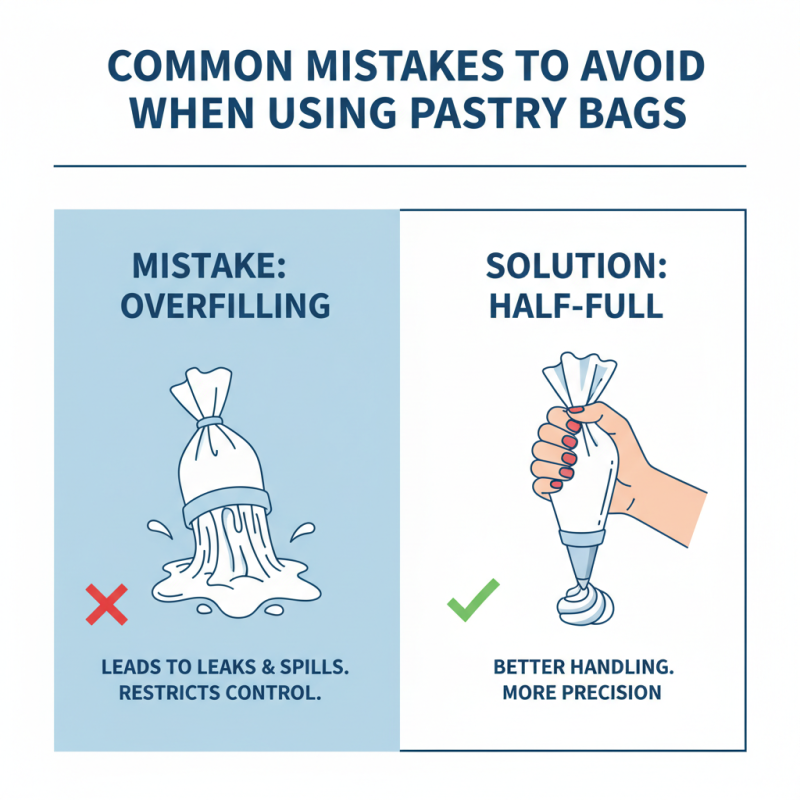
When using pastry bags, common mistakes can affect your results. One key issue is overfilling the bag. This can lead to leaks and spills. A filled bag restricts control, making it hard to create delicate designs. Aim to fill the bag halfway. This allows for better handling and precision.
Another mistake is using the wrong tip for your desired effect. Choosing the correct piping tip dramatically impacts your results. A small round tip is ideal for fine details. Conversely, a star tip works well for decorative edges. Always test your tip on parchment paper before starting your project.
Tips: Practice makes perfect. Spend time getting comfortable with your pastry bag. Additionally, take breaks if you feel frustrated. Consistent practice will build your skills over time. Don't be afraid to experiment with different techniques. Just like when choosing a Coffee Bag, finding the right fit can enhance your overall experience.
Innovative Packaging Solutions: The Versatility of Gusset Bags for Bread and Sandwiches
Gusset bags have emerged as a versatile solution for packaging bread and sandwiches, combining functionality with aesthetic appeal. Their unique design allows for maximum space utilization, making them ideal for accommodating various bread sizes and ensuring that sandwiches maintain their freshness. The gusseted sides expand when filled, providing ample room while maintaining a sleek profile, making these bags push the envelope on traditional packaging.
When looking to customize your gusset bags, the process is straightforward and tailored to meet your specific needs. Start by selecting the type of bag that best matches your product requirements, followed by choosing the design components you wish to include. If you have particular design files such as AI, PDF, or PSD, ensure you send those along to help us visualize your concept. Detailing specifications—such as size, material structure, thickness, and the quantity of bags needed—will guide us in creating the perfect packaging solution for you. If your project is new, share insights about the product to be packaged and its capacity; our team is ready to offer recommendations on size and material to ensure your bags not only look good but also perform exceptionally.
FAQS
: A coupler allows you to swap tips easily without changing the whole bag. It enhances design flexibility.
A support base stabilizes the pastry bag, preventing spills and making filling easier. It improves overall efficiency.
Rinse the bag under warm water after use. Use a gentle brush for stubborn areas and dry it completely.
Silicone and polyester are popular materials. Silicone bags are easier to clean, while polyester may wear out faster.
The lifespan varies from 1 to 5 years. It depends on the material and frequency of use, as noted by experts.
Inspect for leaks or cracks regularly. Addressing small tears early can prevent a messy baking experience later.
Many focus on major tools and forget how small enhancements can improve precision and reduce mess during baking.
Improper cleaning can lead to mold growth and reduced performance. Regular care ensures longevity and reliability.
Store the bag flat instead of coiling it. This helps avoid unnecessary wear and maintains its shape over time.
Conclusion
When selecting the perfect pastry bag for your baking needs, it's essential to understand the various types available and their specific uses. The guide explores key features to consider, such as material options like silicone, plastic, and cloth, each with its unique advantages. Additionally, the size of the pastry bag plays a crucial role in achieving optimal results in your culinary creations.
Moreover, the article highlights essential accessories that can enhance your pastry bag experience and offers valuable maintenance tips to ensure longevity. It also addresses common mistakes to avoid, helping both novice and experienced bakers maximize their efficiency with pastry bags. By following this comprehensive guide, you can confidently choose the best pastry bag tailored to your baking style.