Lately, the coffee packaging world is going through some pretty exciting changes, especially with the rise of the Flat Bottom Coffee Bag. I was reading this recent report from Mordor Intelligence, and it’s nuts — the global coffee packaging market hit over 3 billion USD back in 2021, and experts say it’s just gonna keep growing like crazy. A big part of that growth? People really want packaging that’s convenient and eco-friendly, which makes sense, right?
For manufacturers who care about quality, it’s super important to get the details right when creating these flat bottom bags. Companies that specialize in making these bags use the latest techniques to lock in freshness and give the coffee a longer shelf life. When you’ve got a good bag that’s well-made, it actually helps boost your branding and keeps the coffee tasting great. Plus, it’s pretty much a must-have if you’re trying to catch the eye of folks looking for top-shelf options.
That said, not every factory out there cuts the same corners — some might skimp on materials or skip over quality checks, which can be a real problem. That’s why it’s so important for brands to do their homework and choose their manufacturers carefully. Investing in high-quality packaging isn’t just about protecting the coffee; it’s also a way to show your customers that you’re serious about quality and excellence. In this super competitive market, a little extra effort in packaging can really make all the difference between standing out or getting lost in the shuffle.
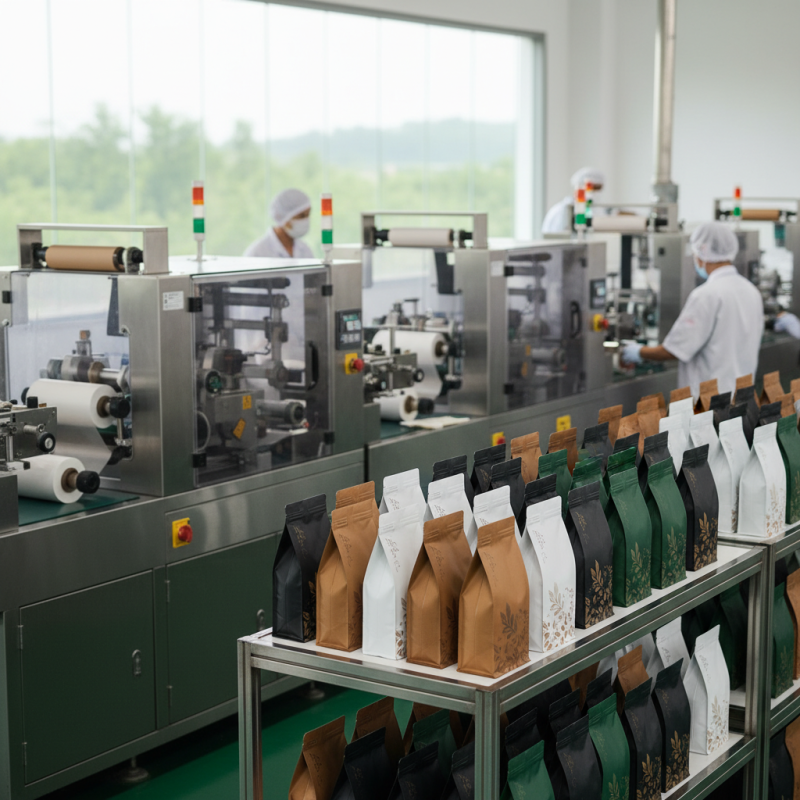
Understanding OEM and Its Role in Coffee Bag Manufacturing
OEM, or Original Equipment Manufacturer, plays a crucial role in coffee bag production. By partnering with factories, brands can create custom packaging that meets their specific needs. This includes the design and materials of the packaging.
High-quality packaging is essential, especially for products like coffee that require freshness and aroma preservation.
The process of working with an OEM involves several steps. First, brands provide their specifications for
Flat Bottom Coffee Pouch designs. Then, the manufacturing factory collaborates with the brand to produce samples. This stage is vital for evaluating materials and print quality. Effective communication is key here, as any misunderstanding can lead to product flaws.
While many factories offer quality service, not all meet the same standards. Brands must research potential partners thoroughly. It's important to ask about their experience and production capabilities. Some may have advanced technology while others may rely on outdated methods. This could impact the final product's quality.
Selecting the right OEM can ultimately determine a brand's success in the competitive coffee market.
Defining High-Quality Standards for Flat Bottom Coffee Bags
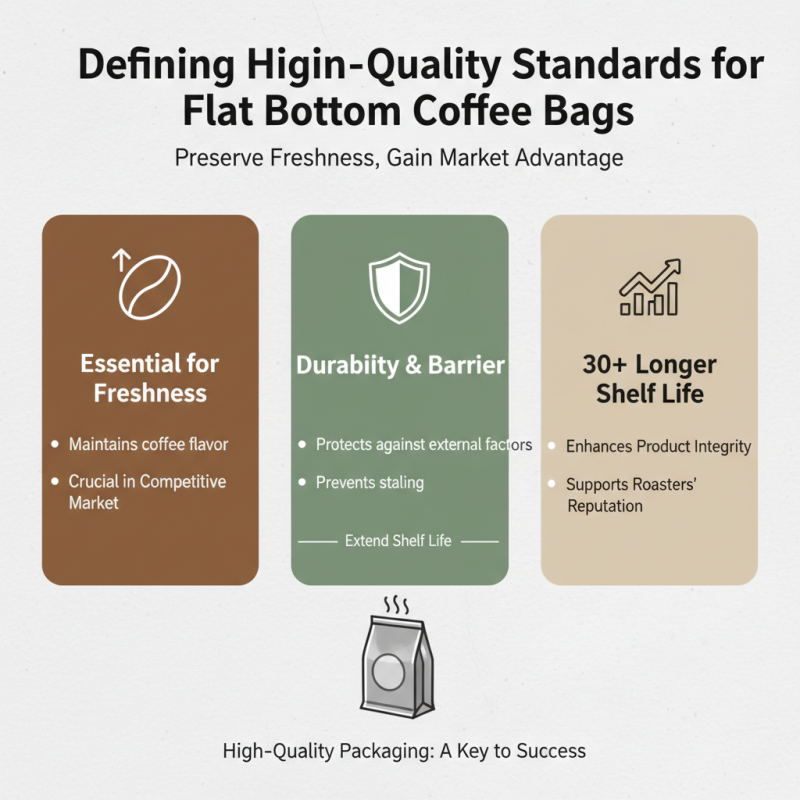
High-quality flat bottom coffee bags are essential for preserving the freshness of coffee. These bags play a crucial role in an increasingly competitive market. Coffee packaging needs to meet high standards in durability and barrier properties. Studies show that high-quality bags can extend shelf life by 30% or more. This is vital for roasters aiming to maintain their product's flavor integrity.
When assessing quality, consider materials and sealing methods. A bag with a multi-layer construction often provides superior protection against moisture and oxygen. Industry reports indicate that oxygen transmission rates are critical; bags with lower rates help keep coffee fresher longer. Proper sealing prevents leaks, which can compromise flavor as well.
**Tips:** Always check the bag's material specifications. Look for certifications that ensure sustainability and food safety. Evaluate the bag’s size according to your product's distribution strategy. Testing samples for strength and usability can also reveal potential flaws. Remember, not all bags are created equal; small details can make a significant difference in product quality.
Key Features of Flat Bottom Coffee Bags and Their Benefits
Flat Bottom Bags have gained popularity in the coffee packaging industry due to their unique structural advantages. These bags stand upright, providing excellent visibility on store shelves. According to a recent market analysis, around 70% of retailers prefer packaging that enhances product presentation. The flat bottom design allows for maximized space efficiency, making it easier to store and display products.
Durability is another key feature of Flat Bottom Bags. These bags are often made from high-quality materials, ensuring that the coffee remains fresh longer. A report by packaging experts indicates that proper packaging can extend the shelf life of coffee by approximately 30%. This is significant for both retail and consumer satisfaction. Additionally, the flat bottom allows for bigger openings, facilitating easy filling and sealing processes.
In terms of sustainability, many manufacturers are now offering eco-friendly options for Flat Bottom Bags. These alternatives help reduce the environmental impact associated with packaging waste. While this is a positive trend, not all manufacturers follow the same eco-friendly practices, leading to variability in quality. Consumers are becoming more critical of packaging choices, pushing brands to reflect on their sustainability commitments in the coffee industry.
What is OEM High-Quality Flat Bottom Coffee Bag Factories Explained? - Key Features of Flat Bottom Coffee Bags and Their Benefits
| Feature |
Description |
Benefit |
| Flat Bottom Design |
Allows the bag to stand upright, enhancing shelf display. |
Maximizes visibility and attracts customer attention. |
| Material Quality |
Made with high-quality barrier materials for freshness. |
Extends shelf life of the coffee inside. |
| Custom Printing |
Allows for vibrant graphics and branding on the bag. |
Strengthens brand identity and attracts consumers. |
| Recyclability |
Some bags are made from recyclable materials. |
Appeals to environmentally conscious consumers. |
| Sealing Options |
Available with different sealing methods like heat seal. |
Ensures product safety and prevents contamination. |
The Production Process of OEM High-Quality Coffee Bags
The production of OEM high-quality flat bottom coffee bags is a detailed and intricate process. It begins with selecting durable materials. These materials must maintain freshness while preserving flavor. Often, multi-layer films are used for this purpose. They effectively shield coffee from light, oxygen, and moisture, ensuring optimal preservation.
Once the materials are chosen, printing occurs. High-quality inks are essential for vibrant designs. Accurate color matching is vital for brand representation. However, imperfections can arise during this stage. Misalignment or color variations can lead to wasted materials, prompting careful inspection.
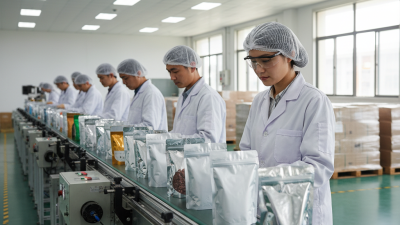
After printing, the bags are shaped and sealed. This process demands precision to ensure that each bag maintains its structural integrity. Sometimes, defects like weak seams occur, which can compromise the bag’s effectiveness. Continuous monitoring during production helps mitigate these issues. Quality inspections are not just a formality; they are crucial for maintaining standards in a competitive market.
Factors to Consider When Selecting OEM Coffee Bag Factories
When selecting OEM coffee bag factories, several important factors come into play. The quality of materials used is paramount. A reliable factory should source high-quality films that ensure freshness and prevent contamination. Look for options that offer options like laminated polyester. This choice promotes durability and enhances shelf appeal.
Production capabilities are crucial as well. An ideal factory should be able to accommodate various customizations based on your requirements. Whether it’s a Flat Bottom Pouch Bag or a different configuration, flexibility in design and size matters. Ask about their commitment to quality control measures. Regular inspections during the manufacturing process can reveal their dedication to producing robust and aesthetically pleasing bags.
Shipping and lead times should not be overlooked. Delays can significantly affect business. Establish clear communication regarding timelines. A transparent factory will provide insights into their logistics. Take time to research and assess feedback from other clients. Are they satisfied with the product? This feedback is invaluable. Sometimes, it’s tempting to rush into a decision, but careful evaluation often leads to better partnerships.
Quality Control Measures in Coffee Bag Manufacturing
In the coffee bag manufacturing industry, quality control plays a crucial role in ensuring product integrity. High-quality flat bottom coffee bags, often referred to as "Flat Bottom Pouches," require strict adherence to industry standards. According to a 2022 report by the Specialty Coffee Association, nearly 25% of coffee beans' freshness can be compromised due to poor packaging. This highlights the need for rigorous quality measures.
One essential aspect of quality control is material selection. Manufacturers often rely on multi-layer structures that include barrier films. These films protect against moisture and oxygen, which can degrade coffee quality. Regular testing for puncture resistance and seal integrity is also vital. Data shows that 18% of packaging failures arise from seal defects. Thus, ensuring a tight seal can significantly reduce product loss.
Tips for manufacturers: implement a standard operating procedure for quality checks. Regular training for employees on quality control measures can improve outcomes. Additionally, invest in advanced testing equipment to assess packaging performance regularly. Over time, these strategies lead to better consistency in your flat bottom pouches, enhancing customer satisfaction and product performance. Remember, even the best designs can falter without rigorous quality checks.
Quality Control Measures in Coffee Bag Manufacturing
Sustainability and Innovations in Coffee Bag Production
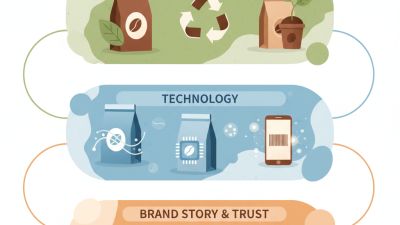
The coffee bag production industry is evolving. Sustainability is at the forefront of innovations in packaging. About 40% of coffee packaging is now made from renewable materials. This shift aims to reduce waste. Consumers are increasingly demanding eco-friendly options. In response, many manufacturers are developing biodegradable materials for coffee bags.
Current reports indicate that 70% of consumers prefer brands that offer sustainable packaging. This trend compels producers to rethink their materials and processes. Traditional plastic coffee bags contribute significantly to landfill waste. Innovations in compostable materials are crucial for change. Some factories are even working on reusable packaging systems. These systems not only cut waste but also enhance customer loyalty.
Manufacturers face challenges in balancing quality and sustainability. High-quality coffee bags must protect the product while minimizing environmental impact. This dual focus can sometimes lead to higher costs. Yet, many argue that the long-term benefits outweigh these expenses. The industry still has areas for improvement. Continued research and development are essential for overcoming current limitations.
Maximizing Freshness: The Benefits of Flat Bottom Bags for Coffee Bean Packaging
Flat bottom bags have emerged as a superior choice for coffee bean packaging, delivering significant benefits in maximizing product freshness. Their unique design allows for a more stable standing position, offering better space utilization during storage and display. According to industry studies, flat bottom bags can reduce air exposure due to their airtight seals, which helps to preserve the volatile compounds in coffee beans that contribute to flavor and aroma. Research indicates that proper packaging can increase the shelf life of coffee by up to 50%, making flat bottom bags a wise investment for roasters and retailers alike.
When considering custom packaging solutions, it's essential to follow specific steps to ensure an optimal choice for your needs. Start by selecting the type of bag you wish to customize. Next, choose the components you'd like to include and submit your design files in formats like AI, PSD, or PDF. Additionally, provide detailed specifications such as size, material structure, thickness, quantity, and any particular requirements based on your product. If you're launching a new project, communicate the items that need to be packed and their capacities. Professional packaging suppliers often offer recommendations on optimal sizes and materials based on your specifications, ensuring your coffee beans are packaged in a way that maximizes freshness and appeal to consumers.
FAQS
: They stand upright, allowing excellent visibility on shelves. This design also maximizes space efficiency for storage.
These bags are made from high-quality materials that can extend coffee's shelf life by approximately 30%.
Yes, many manufacturers offer eco-friendly alternatives, but quality can vary significantly.
It involves selecting durable materials, printing, shaping, and sealing bags to ensure freshness and appeal.
They protect coffee from light, oxygen, and moisture, which is crucial for preserving flavor and freshness.
Misalignment or color variations can happen, leading to material waste. Careful inspection is essential.
It helps catch defects like weak seams and ensures that quality standards are maintained throughout production.
Yes, growing awareness makes consumers critical of packaging choices, urging brands to improve their sustainability efforts.
Conclusion
The article "What is OEM High-Quality Flat Bottom Coffee Bag Factories Explained?" delves into the essentials of Original Equipment Manufacturer (OEM) processes in the coffee bag industry, particularly focusing on flat bottom coffee bags. It defines the high-quality standards required for these bags, highlighting key features such as their structural integrity and ability to stand upright, which enhances packaging efficiency.
Moreover, the production process of OEM high-quality coffee bags is outlined, along with critical factors to consider when selecting suitable OEM factories. Quality control measures are emphasized to ensure every flat bottom coffee bag meets stringent standards, while also addressing sustainability and innovations that are shaping the future of coffee bag production. This comprehensive overview serves as a guide for those interested in understanding the intricacies of designing and manufacturing flat bottom coffee bags in a competitive market.