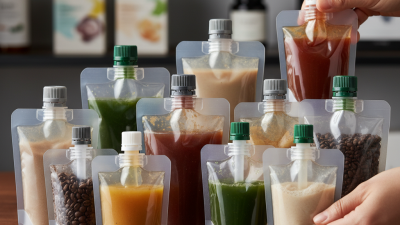
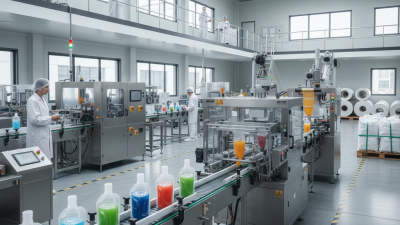
The world of coffee is really lively and full of variety — from the rich flavors to the tempting aromas, there’s so much going on. If you’re a global buyer, getting a handle on Coffee Packaging is pretty much a must. Picking the right packaging doesn’t just keep the coffee fresh; it also helps to build your brand’s identity. The coffee market is pretty demanding — people want solutions that lock in freshness but still look good on the shelf.
And let’s be honest, tons of companies are stepping up their game with innovative coffee packaging options. Brands like T3 and ULINE, for example, offer a range of solutions to fit different needs — from eco-friendly materials to vacuum-sealed pouches. The options are pretty much endless. But here’s the thing: not every solution is a perfect fit for every brand. Some packaging can get pretty pricey, and if it doesn’t quite match your product or ends up being wasteful, it’s kinda pointless.
Getting the right coffee packaging is all about finding that sweet spot between cost and impact. Sure, an eye-catching design is great, but it doesn’t always tell the full story of what’s inside. As a buyer, you’ve gotta consider both how it looks and how practical it is. It’s really about experimenting and discovering what clicks with your customers — all while keeping the coffee fresh and top quality. It’s definitely a bit of a balancing act, but totally worth it in the end.
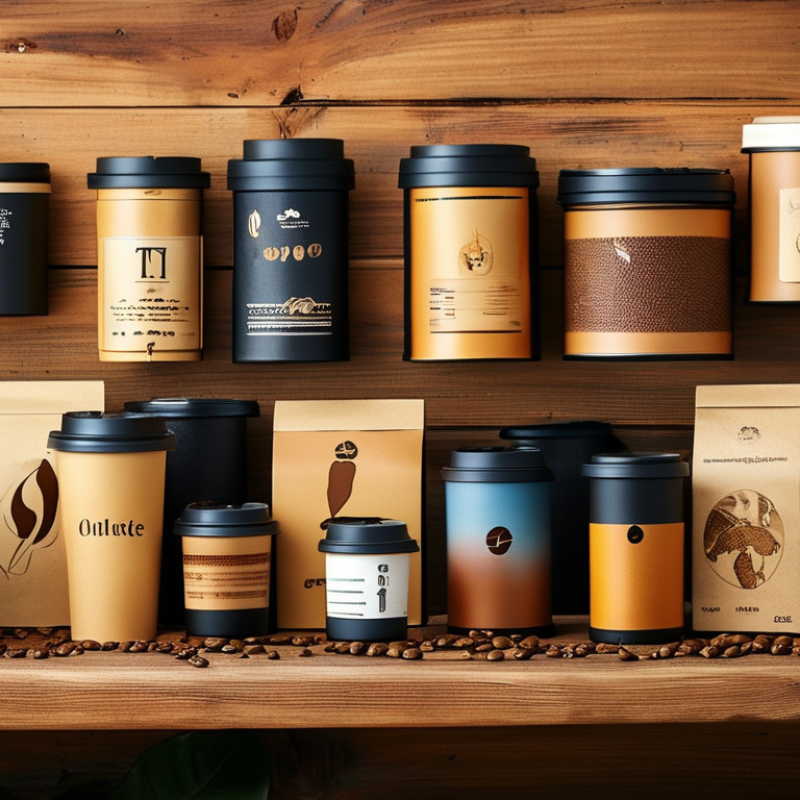
Top Coffee Packaging Trends Driving Global Sales Growth
The coffee packaging industry is evolving rapidly. Understanding the latest trends can help businesses increase sales. One significant trend is the shift toward sustainable materials. Consumers now prefer eco-friendly
Coffee Packaging Bags that reduce environmental impact. This change not only meets consumer demand but also enhances brand reputation.
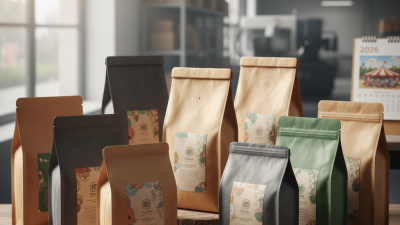
A notable trend is the use of innovative designs. Eye-catching packaging attracts customers. Unique shapes and bright colors can make a product stand out on store shelves. Brands that invest in creative packaging often see higher sales. However, it’s essential to balance aesthetics with functionality. Packaging must protect coffee from moisture and air.
Tips for effective packaging include using resealable features. These allow customers to maintain freshness. Clear labeling with brewing instructions can also enhance user experience. Businesses should regularly evaluate their packaging solutions and adapt to changing consumer preferences. Engaging with customers can provide valuable insights into their desires and needs.
Sustainable Materials: The Future of Coffee Packaging Solutions
The coffee industry is evolving, and so is its packaging. Sustainable materials are becoming a focal point. As more consumers demand eco-friendly options, coffee packaging is shifting towards recyclable and biodegradable materials. These materials not only reduce waste but also attract environmentally conscious buyers.
Various sustainable options are available. Paper, plant-based plastics, and compostable films are gaining traction. These materials are often as effective as traditional packaging. However, there are challenges. Sourcing these eco-friendly materials can be costly. Quality control and shelf life need careful consideration, too. Not all sustainable materials maintain the freshness of coffee in the same way.
Innovation is key to overcoming these hurdles. Companies are experimenting with new designs and materials. Collaboration with suppliers and manufacturers can enhance sustainability efforts. Feedback from consumers can also drive improvements. The push for sustainable coffee packaging is not just a trend; it's becoming essential for the future of the industry.
Top 10 Coffee Packaging Solutions for Global Buyers
| Packaging Solution |
Material Type |
Sustainability Rating |
Cost Efficiency |
Market Availability |
| Kraft Paper Bags |
Recycled Kraft Fiber |
High |
Low |
Widely Available |
| Biodegradable Bags |
PLA and Starch |
Medium |
Medium |
Growing Availability |
| Metal Tins |
Aluminum |
Low |
High |
Widely Available |
| Glass Jars |
Recycled Glass |
High |
High |
Commonly Available |
| Compostable Bags |
Plant-Based Materials |
Very High |
Medium |
Limited Availability |
| Inline Valve Bags |
Multi-Layer Laminates |
Medium |
Medium |
Widely Available |
| Bioplastics |
PHA and PLA |
High |
High |
Increasing Availability |
| Cardboard Boxes |
Recycled Cardboard |
High |
Low |
Widely Available |
| Reusable Bags |
Cotton or Hemp |
Very High |
High |
Commonly Available |
| Shrink Sleeve Labels |
PVC or PET |
Medium |
Medium |
Widely Available |
Innovative Designs Enhancing Coffee Freshness and Flavor Retention
In the competitive world of coffee, packaging plays a crucial role. Innovative designs focus on enhancing freshness and flavor retention, essential for any coffee lover. Many packaging options feature airtight seals that prevent oxidation. Such technology helps maintain the unique aromas that define quality coffee.
Some recent trends highlight the use of eco-friendly materials. These options not only align with consumer preferences for sustainability but also provide effective barriers to moisture and light. The color and design of packaging can attract consumers, but many overlook functionality. Beautiful designs can be misleading if they fail to preserve the product's integrity.
While advancements in packaging are promising, challenges remain. Not every solution offers the durability needed for global shipping. Consumers may find it frustrating when their favorite coffee does not taste as fresh as expected. Companies must continue to invest in research, focusing on both aesthetics and practical performance.
Smart Packaging Technologies: Tracking and Quality Assurance
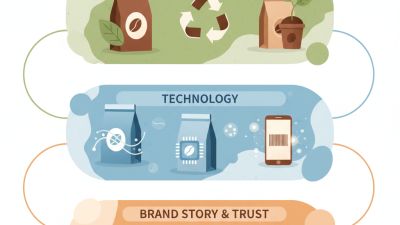
Smart packaging technologies are changing how coffee is packaged and distributed. Coffee Bags now incorporate advanced tracking features. These features ensure that quality is maintained throughout the journey from producer to consumer. By using sensors, producers can monitor temperature and humidity levels. This is crucial for preserving the freshness of coffee beans.
Quality assurance is essential in the coffee industry. Packages with built-in tracking allow for quick identification of any issues. If a coffee bag shows signs of damage, it can be addressed immediately. This responsiveness can prevent large-scale losses. However, challenges remain in balancing technology with cost. Not all producers can afford high-end tracking solutions.
The implementation of these technologies also raises questions about reliability. Are the sensors always accurate? Consumers benefit from knowing their coffee's history, but inaccuracies could harm trust. Developing better systems is vital. Coffee bags must blend innovation with practicality to meet demands. Ensuring quality through smart packaging is a pressing need. It’s an area ripe for improvement and careful consideration.
Consumer Preferences: Eco-Friendly vs. Traditional Packaging
Consumer preferences are shifting dramatically. Eco-friendly packaging is becoming a top priority. Many buyers seek sustainable options. They want materials that reduce environmental impact. Compostable bags and recycled materials are in high demand. This is a change many companies need to consider.
On the other hand, traditional packaging still holds its ground. Consumers often associate it with durability. For example, Standing Pouch Coffee offers convenience. These bags are resealable and protect freshness well. However, they may not always align with eco-friendly standards.
Despite the trends, there are concerns about both types of packaging. Some eco-friendly solutions lack adequate protection for the coffee. Others can be expensive to produce. Traditional options often use plastics, adding to pollution. Buyers are in a dilemma. They want to make responsible choices but may face practical limitations. Finding the balance is crucial.
Cost-Effective Solutions for Small to Medium-Sized Coffee Roasters
Coffee packaging is essential for small to medium-sized roasters. A recent industry report indicated that 70% of consumers consider packaging design before purchase. Eye-catching and functional packaging enhances brand recognition and protects freshness.
Cost-effective solutions are critical for smaller businesses. Vacuum-sealed bags and biodegradable materials offer excellent options. However, many roasters overlook the importance of airflow in packaging. Proper air protection prevents oxidation, which impacts flavor. Current market trends indicate an increased demand for sustainable packaging solutions as 40% of buyers express a preference for eco-friendly products.
It's important to reflect on the packaging process. A common pitfall is over-complicating designs while neglecting practicality. Simple, resealable bags can be more effective. Investing in quality materials can save money by reducing spoilage. Small roasters must balance cost and quality to meet consumer expectations effectively.
Market Analysis: Key Players in the Coffee Packaging Industry
The coffee packaging industry has seen significant evolution. Key players are implementing new technologies and materials. They focus on sustainability, functionality, and consumer preferences. With a wide variety of coffee types, packaging needs vary greatly. A
Flat Bottom Coffee Bag has become a popular choice among roasters. It offers stability and maximizes shelf space.
Producers are increasingly aware of the importance of branding. Packaging not only protects the product but also attracts buyers. Innovative designs help create a memorable experience. However, challenges remain. Some companies struggle to balance eco-friendly options with cost. Finding the right materials can be complex. Transparency in sourcing is another area needing attention.
Market leaders often share insights on trends and innovations. Their experiences help shape the industry. Understanding customer feedback is crucial. Many businesses are still learning how to adapt effectively. Being responsive to market demands can make a difference. The packaging landscape continues to grow, and adaptation is key for success.
FAQS
: Popular materials include paper, plant-based plastics, and compostable films. These options help reduce waste.
Sourcing eco-friendly materials can be costly. Small roasters often struggle to balance this with budget concerns.
Not all sustainable materials keep coffee fresh effectively. Quality control and shelf life are key considerations.
Around 70% of consumers consider packaging design before buying. Eye-catching designs enhance brand recognition.
No, attractive designs can be misleading. Functionality is crucial for preserving the product's freshness.
Vacuum-sealed bags and biodegradable materials are excellent options. Resealable bags can be practical too.
Feedback drives innovation. Companies can adapt packaging to meet consumer preferences and enhance effectiveness.
Overly complex designs can be a pitfall. Simplicity often leads to better functionality and cost savings.
Proper airflow protection prevents oxidation. This is vital for maintaining the flavor of the coffee.
The demand for eco-friendly options is rising. It aligns with consumers’ environmental values and market trends.
Conclusion
The article "Top 10 Coffee Packaging Solutions for Global Buyers" delves into the latest trends driving growth in the coffee packaging industry. It highlights the rise of sustainable materials as a key focus for future packaging solutions, catering to the increasing demand for eco-friendly options among consumers. Innovative designs are also discussed, emphasizing how they enhance coffee freshness and flavor retention, which are critical for maintaining product quality.
Moreover, the article explores smart packaging technologies that enable tracking and quality assurance, aligning with modern consumer preferences. It addresses cost-effective packaging solutions tailored for small to medium-sized coffee roasters, vital for their market competitiveness. Additionally, a market analysis of key players in the coffee packaging industry provides insights into the ongoing evolution and demands of the sector, ultimately showcasing the importance of effective coffee packaging in driving global sales growth.