Hey, have you noticed how the demand for premium coffee bags is just skyrocketing these days? It’s pretty clear that people are really into high-quality, eco-friendly packaging these days. Industry reports suggest that the coffee packaging market is actually growing over 5% each year — that’s quite a boost! A lot of brands are now putting a real emphasis on choosing sustainable materials, which has kind of become a must-have in the coffee world.
Big manufacturers are catching onto this trend too. They’re innovating like crazy—dumping resources into cutting-edge tech to make top-notch coffee bags. We’re seeing interesting features pop up, like resealability and vapor barriers, which help keep the coffee fresher longer and make the packaging more practical.
Then there’s the upcoming 139th Canton Fair in 2026, which totally reflects these shifts. The focus there will be on advanced manufacturing and really quality-focused home products. It’s a great chance for brands to show off their latest coffee bags and connect with buyers, who are eager to see what’s new. Of course, balancing top quality with sustainability is still tricky, but it’s definitely a crucial move if brands want to meet what consumers are really after nowadays.
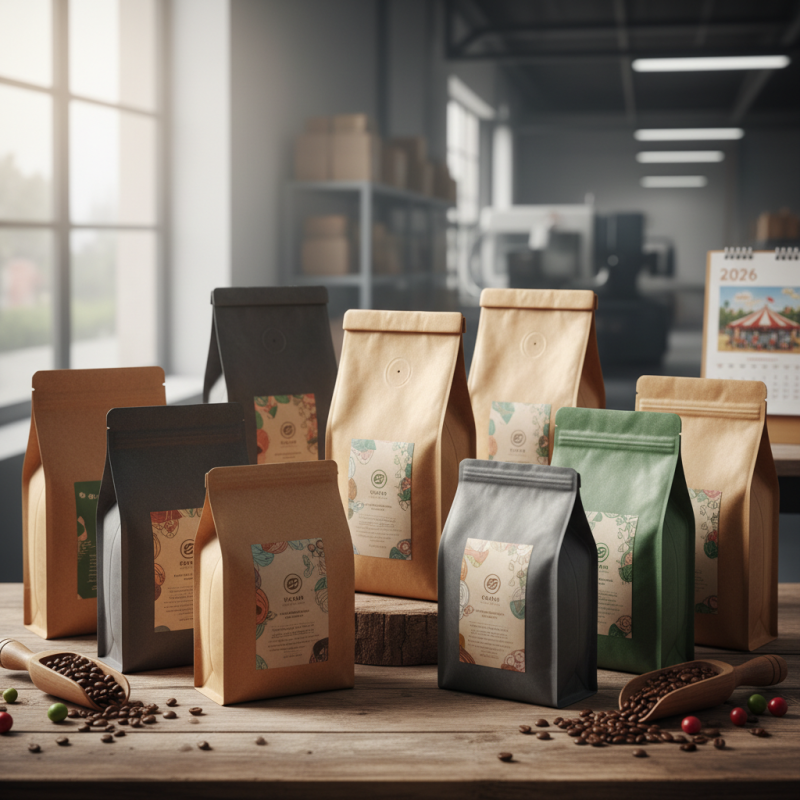
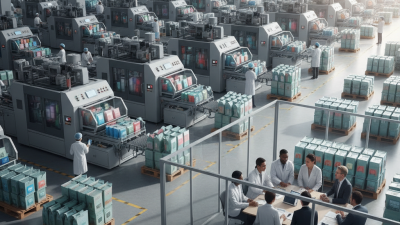
OEM coffee bag manufacturing plays a crucial role in the coffee industry. It allows brands to customize their packaging. This customization covers size, material, and print design. Each detail matters in making a great first impression. High-quality materials ensure freshness. A good seal prevents any air and moisture.
Working with OEM manufacturers requires careful consideration. Communication is vital to convey specific needs. Understanding the production process is important. Some manufacturers may lack transparency. This can lead to frustrations later on. Quality control is another key aspect. Brands must seek manufacturers who prioritize this. Regular testing can eliminate potential problems.
Finding the right partner demands research and patience. Not all manufacturers have the same capabilities. Some may offer limited options. The choices should align with brand identity. Crafting a unique coffee bag is an art. A well-designed bag stands out on shelves. It tells a story about the product inside.
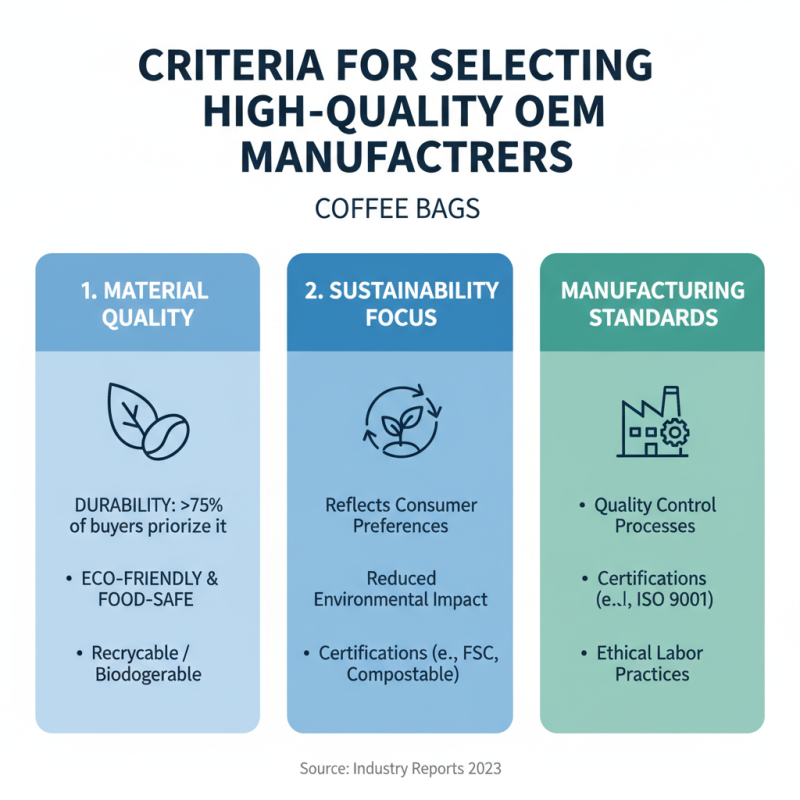
When selecting high-quality OEM coffee bag manufacturers, various criteria come into play. The first essential factor is material quality. Reports show that over 75% of buyers cite material durability as a critical quality indicator. Manufacturers using eco-friendly and food-safe materials stand out. Many are now opting for recyclable or biodegradable options, reflecting consumer preferences for sustainability.
Another significant criterion is production capabilities. Manufacturers focus on flexible production volumes. For example, a study from the Coffee Packaging Association indicates that firms capable of handling both small and large orders tend to provide better customer satisfaction. Customization options are crucial here; clients appreciate the ability to tailor bag sizes and printing techniques. However, many manufacturers struggle to balance flexibility with efficiency, revealing a gap in operations that requires reflection.
Finally, effective communication cannot be overlooked. Quality manufacturers maintain transparency throughout the production process. A 2023 industry survey highlighted that 65% of businesses identified poor communication as a key barrier to selecting a manufacturer. Engaging with suppliers regularly creates trust and ensures alignment with company goals. Ultimately, finding the right manufacturer means evaluating these critical factors while remaining aware of potential shortcomings in their offerings.
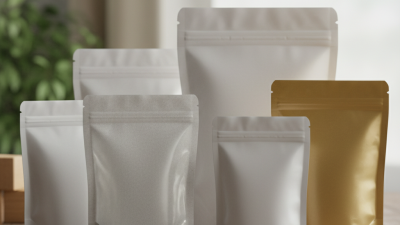
When exploring the landscape of OEM coffee bag manufacturers, key features often stand out. Many producers offer a range of packaging options, including Flat Bottom Coffee Bags. These bags are highly favored for their stability and shelf appeal. They provide ample space for branding while ensuring freshness.
However, not all manufacturers meet the same standards. Some may lack quality control. The absence of proper certifications can lead to inconsistent results. A manufacturer’s experience can greatly affect the outcome. Newer companies may offer lower prices, but their products might not meet your quality expectations.
It’s essential to evaluate the materials used in creating packaging. Eco-friendly options are becoming increasingly important for consumers. As the market evolves, many businesses prioritize sustainability. Yet, some manufacturers may not have fully embraced this trend. They could fall behind if they fail to adapt. When choosing an OEM partner, attention to detail can make a significant difference in product quality.
| Manufacturer Location | Production Capacity (Tons/Month) | Bag Types Offered | Customization Options | Lead Time (Weeks) |
|---|---|---|---|---|
| Country A | 100 | Kraft, Multi-layer, Vacuum | Print, Size, Material | 4 |
| Country B | 150 | Flat Bottom, Gusseted | Print, Handle, Valve | 6 |
| Country C | 120 | Tin Tie, Stand Up | Size, Color, Finish | 3 |
| Country D | 80 | Recyclable, Biodegradable | Material, Design | 5 |
| Country E | 200 | Craft Paper, PE Coated | Finish, Shape, Artwork | 2 |
| Country F | 90 | Pouch, Bag-in-box | Shape, Functionality | 4 |
| Country G | 70 | Window Bags, Foil Bags | Size, Logo | 3 |
| Country H | 110 | Heat Seal Bags, Plastic Bags | Material, Color, Size | 6 |
| Country I | 160 | Valve Bags, Zip-lock Bags | Shape, Design | 5 |
| Country J | 130 | Screen Printed, Digital Printed | Print, Size, Material | 4 |
In the competitive world of Coffee Packaging, manufacturers face numerous challenges. A recent industry report highlighted that the global coffee packaging market is projected to reach $30 billion by 2028. Such growth reflects rising demand, but it also increases pressure on manufacturers to deliver high-quality products.
Leading manufacturers prioritize advanced materials and eco-friendly options. They often use barrier films to enhance freshness and extend shelf life. However, not all manufacturers invest equally in these technologies. Some use outdated methods, which compromise quality. This inconsistency can affect both customer satisfaction and brand reputation.
Understanding the manufacturing process is vital. Many companies struggle with quality control, leading to product recalls. One report indicated that about 15% of coffee packaging does not meet safety standards. It's critical for shoppers to be aware of these variations. The right choice in coffee packaging can make a significant difference in taste and preservation.
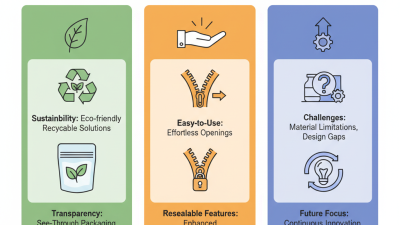
Sustainable practices in coffee bag production are vital for reducing environmental impact. The coffee packaging industry is evolving. According to industry reports, 60% of consumers prefer eco-friendly packaging options. This shift influences manufacturers to adopt sustainable materials and methods.
Many coffee bag manufacturers are now utilizing biodegradable films and recyclable materials. Standing Pouch Coffee bags are gaining popularity. These bags not only preserve freshness but are also designed for easy disposal. However, the challenge remains. Not all biodegradable options break down efficiently. Consumers must remain informed about what truly qualifies as eco-friendly.
While efforts are being made, there is always room for improvement. Certifications for sustainability can vary widely. A recent study highlighted that 40% of packaging labeled as "sustainable" does not meet consumer expectations. Increased transparency from manufacturers is necessary. As the market evolves, both consumers and producers must prioritize responsible practices in coffee bag production.
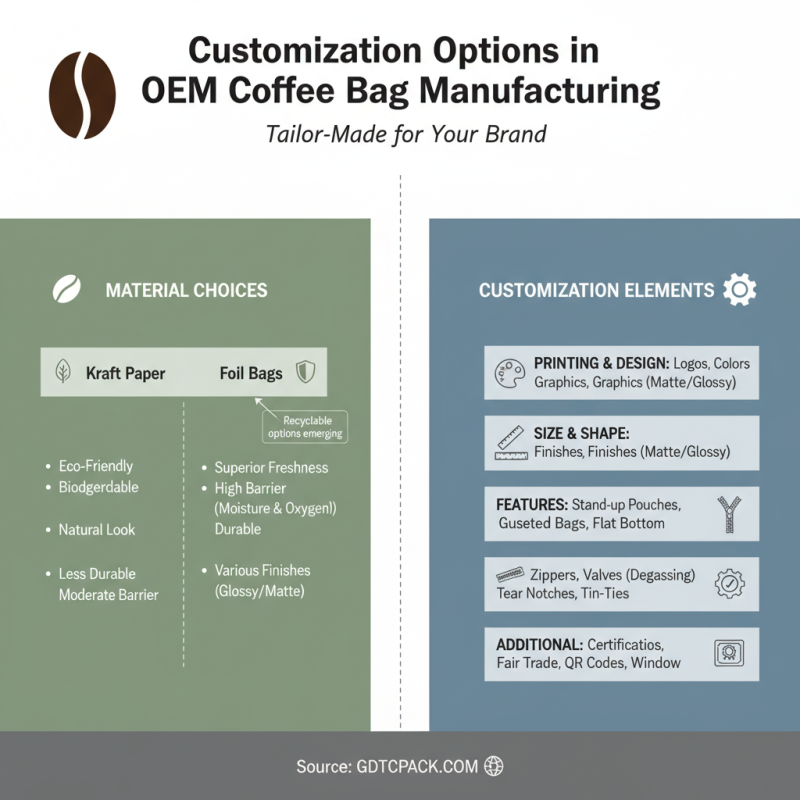
The realm of OEM coffee bag manufacturing is rich with choices. Customization is a significant factor for many brands. When selecting Coffee Packaging Bags, consider various elements. You can choose different materials, such as kraft paper or foil. Each material offers unique benefits. Kraft paper is eco-friendly but less durable. Foil bags provide better freshness but may not be as sustainable.
Design options are extensive, too. Brands can opt for different sizes, shapes, and closures. Zip locks or heat seals are common choices. Visual design adds another layer. Custom graphics and colors enhance brand identity. Yet, finding the perfect balance between functionality and aesthetics can be challenging. Some manufacturers may have limitations in design capabilities. It is crucial to communicate your vision effectively.
Quality control is essential in the manufacturing process. Small errors can lead to large setbacks. Ensuring each batch meets standards is vital for brand reputation. Not all manufacturers are consistent. Variability can affect product attractiveness. It's essential to research and select wisely. Ensuring that your coffee packaging bags stand out requires attention to detail and careful selection of a reliable partner.
The coffee packaging industry is evolving rapidly. Recent reports show that sustainable packaging is gaining traction. Approximately 74% of consumers prefer environmentally friendly options. This shift is pushing manufacturers to adopt biodegradable and recyclable materials. Innovative designs are becoming essential. Eye-catching, user-friendly bags can enhance brand loyalty.
Technological advancements are also shaping the industry. Smart packaging solutions, equipped with QR codes or indicators, provide freshness information. Nearly 40% of consumers show interest in these features. However, not all brands are utilizing this technology. Many still rely on traditional methods, which may limit their market reach.
Moreover, competition is fierce. Emerging companies are challenging established players. Some manufacturers struggle to keep up with trends. They risk falling behind in a dynamic market. As the global coffee market is projected to reach $200 billion by 2025, the pressure is on to innovate. Packaging will play a crucial role in capturing consumer interest and ensuring product quality. Companies must adapt swiftly to stay relevant.
The demand for premium packaging solutions, particularly for dry fruits, has surged in recent years, driven by an increasing consumer preference for convenience and sustainability. Innovative stand-up pouch designs have emerged as the ultimate packaging choice, providing not only a visually appealing presentation but also enhanced functionality. These pouches typically feature a resealable zipper, allowing for easy access and extended freshness, which is vital for maintaining the quality of dry fruits. According to industry reports, the global flexible packaging market is expected to reach USD 300 billion by 2027, with stand-up pouches playing a significant role in this growth.
When it comes to customizing stand-up pouches, several key factors need to be considered to ensure the final product meets your specific needs. First, selecting the type of bag tailored to your product is crucial. This process involves choosing appropriate materials that protect the contents while also aligning with sustainability goals—an important factor, considering that about 74% of consumers prefer eco-friendly packaging options. Design elements, such as size, structure, and thickness, should also be communicated clearly during the order process. For those pursuing new projects, understanding the capacity requirements is essential to producing a pouch that not only fits but enhances the overall user experience.
Upon starting your order, you will be guided through the steps to bring your vision to life. You'll first select your bag type and specify details such as material, dimensions, and desired components. Responding to these specifications ensures that the suggestions provided align with both practicality and market trends, setting your product up for success in an increasingly competitive landscape.
: OEM coffee bag manufacturing allows brands to customize their packaging in size, materials, and design.
High-quality materials ensure the coffee stays fresh and well-protected from air and moisture.
Brands must communicate specific needs and understand the production process clearly to avoid frustrations.
Regular testing ensures manufacturers prioritize quality, which prevents potential problems with the final product.
Many manufacturers now use biodegradable films and recyclable materials to reduce environmental impact.
Not all biodegradable options break down efficiently, so understanding true eco-friendliness is crucial.
There is inconsistency in what qualifies as "sustainable," leading to consumer disappointment in certifications.
A unique and appealing bag can attract customers, telling a compelling story about the coffee inside.
Research helps brands identify manufacturers that align with their capabilities and brand identity.
There is ongoing improvement, but many practices still do not meet consumer expectations for sustainability.
The article "Top 10 High Quality OEM Coffee Bag Manufacturers You Should Know" provides a comprehensive guide to understanding the landscape of OEM coffee bag manufacturing. It emphasizes critical criteria for selecting high-quality manufacturers, including sustainable practices, customization options, and the latest trends in the coffee packaging industry.
Readers will gain valuable insights into the top OEM coffee bag manufacturers, with in-depth profiles highlighting their unique offerings and approaches to production. The article underscores the importance of sustainability in coffee bag production, reflecting the industry's shift towards eco-friendly materials and practices. As coffee packaging continues to evolve, understanding these elements is essential for businesses looking to make informed decisions about their coffee bag suppliers.