Leave Your Message
The Czech Republic, strategically positioned in the heart of Central Europe, has emerged as a significant hub for food packaging manufacturing and distribution. With its robust industrial infrastructure, skilled workforce, and proximity to major European markets, Czechia offers unique advantages for food packaging bag suppliers and factories. The country's packaging industry has experienced steady growth over the past decade, driven by increasing consumer demand for convenient, sustainable, and high-quality packaging solutions.
Czech food manufacturers and retailers are increasingly seeking advanced packaging solutions that meet stringent EU regulations while addressing consumer preferences for sustainability and product freshness. The market for flexible packaging, including food packaging bags, has shown particularly strong growth, with annual increases of 4-6% in recent years. This growth is fueled by the expansion of the retail sector, the rise of e-commerce food delivery, and changing consumer lifestyles that favor convenient, portion-controlled packaging formats.
The Czech food packaging market is shaped by several critical factors: the country's strong food processing industry, which includes dairy, meat, bakery, and confectionery sectors; the growing demand for ready-to-eat and convenience foods; increasing export activities to neighboring European countries; and stringent food safety regulations that require high-performance barrier packaging. Additionally, Czech consumers are becoming more environmentally conscious, driving demand for recyclable and biodegradable packaging materials.
Czechia's food packaging industry is characterized by a mix of domestic manufacturers and international suppliers serving the local market. The country hosts numerous food processing facilities, particularly concentrated in regions like Prague, Brno, Ostrava, and Plzeň. These facilities require consistent supplies of high-quality packaging materials, including flexible bags for snacks, confectionery, frozen foods, pet food, and agricultural products.
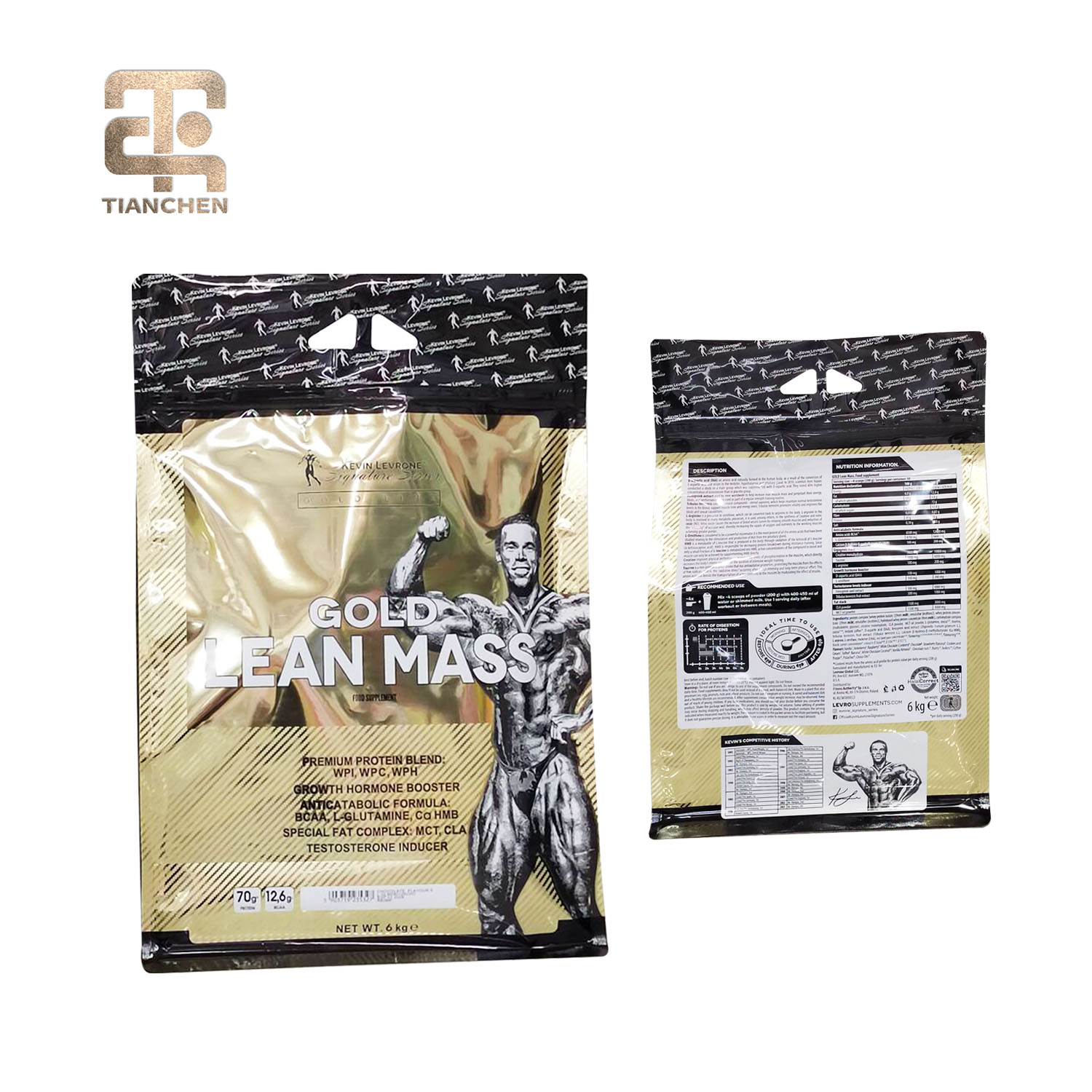
The Czech market demonstrates strong demand for specialized packaging solutions. For instance, the country's thriving beer and beverage industry requires innovative label solutions and secondary packaging. The growing health and wellness sector demands packaging for protein powders, nutritional supplements, and organic foods. Meanwhile, the traditional Czech food industry, including producers of traditional pastries, sausages, and dairy products, seeks packaging that preserves authenticity while meeting modern shelf-life requirements.
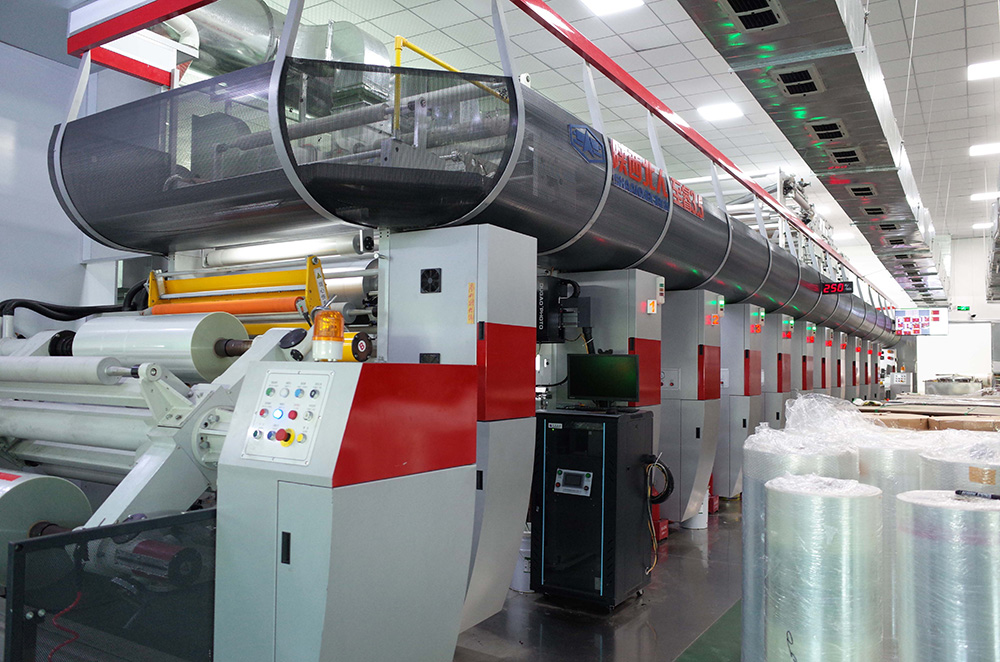
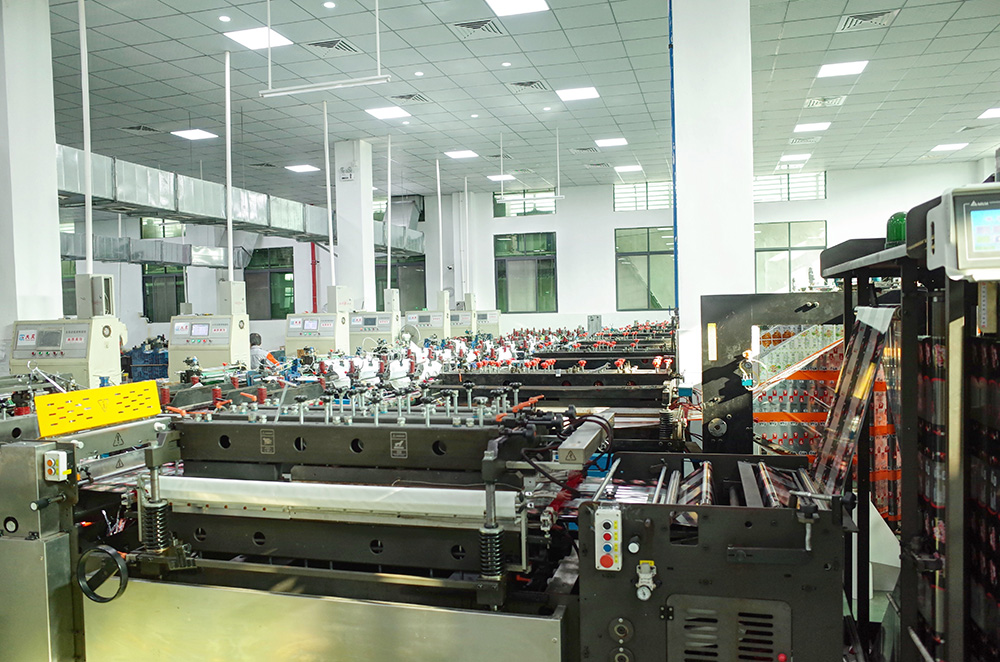
Advanced production facilities with state-of-the-art printing and laminating technology
Eco-friendly materials and recyclable solutions meeting EU environmental standards
Tailored packaging designs for diverse Czech food industry applications
Several key trends are shaping the future of food packaging in Czechia. First, sustainability has become paramount, with manufacturers increasingly adopting mono-material structures that facilitate recycling, incorporating post-consumer recycled content, and developing compostable alternatives for specific applications. The Czech government's commitment to EU circular economy goals is accelerating this transition.
Second, digitalization and smart packaging technologies are gaining traction. Czech food producers are exploring QR codes, NFC tags, and other digital features that enhance consumer engagement, provide product traceability, and combat counterfeiting. These technologies are particularly relevant for premium food products and export-oriented manufacturers.
Third, there is growing demand for high-barrier packaging solutions that extend shelf life without preservatives. This trend aligns with consumer preferences for natural, minimally processed foods while reducing food waste throughout the supply chain. Advanced lamination technologies and specialized barrier films are becoming standard requirements for Czech food packaging suppliers.
Fourth, the rise of e-commerce and direct-to-consumer food sales is creating new packaging requirements. Packaging must now withstand the rigors of shipping while maintaining product integrity and visual appeal upon delivery. This has led to increased demand for robust, tamper-evident packaging solutions with enhanced protective properties.
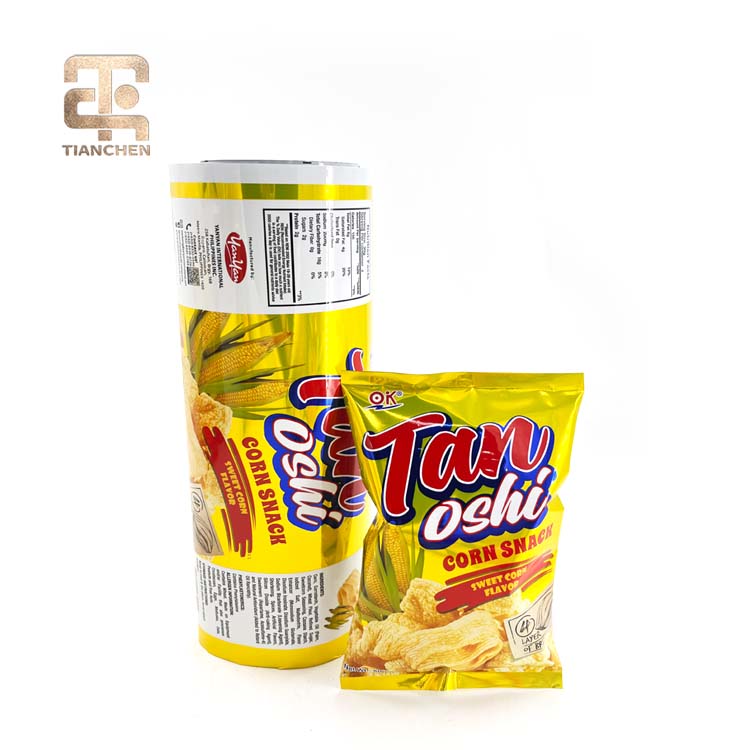
Food packaging bags in Czechia serve diverse applications across multiple sectors. In the snack food industry, which includes popular Czech products like potato chips, extruded snacks, and traditional wafers, flexible packaging provides excellent barrier properties, attractive shelf presence, and convenient resealability features. Czech snack manufacturers particularly value packaging that maintains product crispness in the country's variable climate conditions.
The confectionery sector, including chocolate manufacturers and candy producers, requires moisture-proof packaging that protects products from humidity while showcasing premium brand positioning. Czech chocolate producers, some with century-old traditions, seek packaging that balances heritage aesthetics with modern functionality, including features like easy-open tear notches and reclosable zippers.
In the frozen food segment, which has grown significantly in Czech retail, packaging must withstand low temperatures, prevent freezer burn, and facilitate quick identification of products. Czech consumers increasingly purchase frozen vegetables, ready meals, and convenience foods, driving demand for durable, printable packaging films that perform reliably in cold chain logistics.
The pet food industry represents another significant application area. Czech pet ownership rates are among the highest in Europe, creating substantial demand for pet food packaging. Suppliers must provide solutions that preserve nutritional value, prevent oxidation, and offer convenient dispensing features while meeting specific regulatory requirements for animal feed packaging.
Agricultural and industrial food ingredients also require specialized bulk packaging. Czech flour mills, sugar refineries, and ingredient suppliers need heavy-duty bags that protect contents during storage and transportation while facilitating efficient handling in industrial environments. These applications often require customized sizes, valve closures, and specific barrier properties.
Operating in the Czech market requires adherence to comprehensive quality and safety standards. Food packaging suppliers must comply with EU Regulation 1935/2004 on materials and articles intended to come into contact with food, as well as specific migration limits defined in EU Regulation 10/2011. Czech authorities actively enforce these regulations, and suppliers must provide detailed compliance documentation.
Many Czech food manufacturers also require suppliers to hold certifications such as BRC Packaging, ISO 9001 for quality management, and ISO 22000 for food safety management. These certifications demonstrate systematic approaches to quality control and risk management, which are essential for maintaining long-term business relationships in the Czech market.
Environmental certifications are increasingly important. Czech buyers value suppliers who can demonstrate commitment to sustainability through certifications like FSC for paper-based materials, recyclability certifications, and carbon footprint assessments. As Czech retailers implement their own sustainability commitments, they increasingly require their packaging suppliers to provide transparent environmental data.
Czechia's central European location makes it an ideal distribution hub for food packaging materials. The country's well-developed transportation infrastructure, including modern highways and rail connections, facilitates efficient delivery to customers throughout the region. Suppliers serving the Czech market must understand local logistics practices, including preferred delivery schedules, warehousing requirements, and inventory management expectations.
Many Czech food manufacturers operate just-in-time production systems, requiring packaging suppliers to maintain reliable delivery schedules and flexible order quantities. The ability to provide local warehousing or rapid delivery from nearby facilities can be a significant competitive advantage. Additionally, suppliers should be prepared to support customers with technical service, including on-site printing trials, packaging line optimization, and troubleshooting support.
The outlook for food packaging bag suppliers in Czechia remains positive. The country's stable economy, growing food processing sector, and strategic location within the EU create ongoing opportunities for packaging suppliers. As Czech consumers continue to demand higher quality, more sustainable, and more convenient packaging solutions, suppliers who can innovate and adapt will find receptive markets.
Emerging opportunities include packaging for plant-based and alternative protein products, which are gaining popularity in Czech markets; specialized packaging for functional foods and nutraceuticals; and solutions for the growing organic food sector. Suppliers who invest in sustainable materials, digital printing capabilities, and customer-specific customization will be well-positioned to capture these opportunities.
The ongoing digital transformation of the food industry also presents opportunities for packaging suppliers to differentiate through smart packaging features, enhanced traceability solutions, and integration with digital marketing platforms. As Czech food brands seek to build stronger connections with consumers, packaging will play an increasingly strategic role beyond its traditional protective function.