
Leave Your Message

Blog

Top 10 Side Seal Bag Manufacturers in China?

Top 10 Side Seal Bag Manufacturers in China?

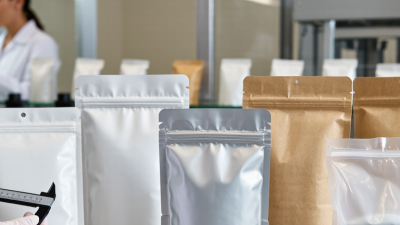
China’s packaging industry is definitely busy serving a global market that keeps growing. But just because the market is expanding doesn’t mean you can automatically find a supplier you can trust. According to Grand View Research, the global flexible packaging market hit around USD 265.5 billion in 2023, and it’s expected to keep climbing through 2030. Smithers’ report, The Future of Flexible Packaging to 2029, also digs into how materials, production, and end-use trends are shifting. Honestly, these reports are pretty useful for context — though neither one actually ranks Chinese Side Seal Bag manufacturers directly. And that distinction? Yeah, it matters. So this guide looks at ten manufacturers, but not just in a generic way—it breaks them down by things that actually matter in practice: how consistent their sealing is, what film options they offer, how well their print registration holds up, production capacity, customization, and whether they’ve got real export experience. And honestly, when you’re checking a sample, don’t just get wowed by the printing. You need to look for clean seal edges, no pinholes, and that the opening works reliably. Ask suppliers for up-to-date quality documents and clear specs, and then—if you can—verify their claims with samples or a factory audit. The little stuff ends up being a big deal. Just because a website looks polished doesn't automatically mean the production is rock solid. And a low quote? That alone shouldn't win you over. Pricing can move around depending on material thickness, order volume, and what exactly you need printed. Rankings are a bit tricky too—they're based on whatever evidence is out there, so treat them as a starting point, not the final word. It's also worth acknowledging that some supplier info is incomplete; that happens more often than you'd think. In the end, the right choice really comes down to your product, target market, and the performance you need.
Read more »
Alexander By:Alexander - November 19, 2026
Top Snack Packaging Suppliers for Global Buyers

Top Snack Packaging Suppliers for Global Buyers

Picking a snack packaging supplier isn't just about comparing prices, you know? A good partner should help keep your products fresh, make filling efficient, and give you the same quality every time you reorder. And if you're buying from overseas, you've got to check their production capacity, export experience, how they communicate, and their quality control before you sign anything. The little details really matter. So, this guide is all about helping you find suppliers for all sorts of packaging – whether you need flexible pouches, laminated films, paper-based stuff, or those stand-up bags. You know, the ones that stand on their own? But here's the thing – it's not just about looking at pretty catalogs. You've got to dig a little deeper. Ask yourself: can they actually provide material specs and sample rolls? Is their print proof clear, or is it all blurry? And what happens if you suddenly need more (or fewer) orders, or if shipments get delayed? Those are the questions that really tell you what a supplier is made of. Honestly, those little details can say more than any fancy brochure ever will. So yeah, don't skip the nitty-gritty – it's totally worth asking. So packaging really depends on what you're selling. Take a crispy snack, for instance – it needs strong moisture protection, obviously. But a premium product? That's more about the look and a nice clean seal. You also need to think about how long you want it on the shelf, the dimensions, how it runs on the line, and what tests you'll do. And don't just take their word for it – ask for the specs, then double-check they match the real thing. A sample might look perfect, but it can behave totally different when you run it at full speed. Look, no shortlist is ever perfect, right? You still have to dig into supplier claims, and that quote that looks super cheap? It might be hiding extra costs like tooling, freight, or setup—stuff you don't see at first glance. So think of this overview as more of a jumping-off point, not a substitute for rolling up your sleeves and testing things yourself. You'll want to compare the evidence, ask for references when it feels appropriate, and actually test samples under real operating conditions. Yeah, that takes time—no way around it—but it can save you from some pretty avoidable surprises down the road.
Read more »
Alexander By:Alexander - November 16, 2026
How to Choose the Right Liquid Pouch for Your Product?

How to Choose the Right Liquid Pouch for Your Product?

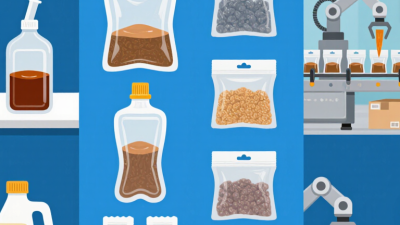
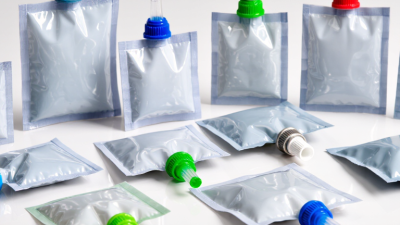
When it comes to choosing the right liquid pouch, I’d actually start with the product itself—not the packaging’s looks. Think about how the liquid flows, how much each pack needs to hold, and where your customers will probably use it. A watery drink, a thick sauce, and a concentrated refill all make very different demands on the pouch material and the spout. So it’s not just about picking something that looks good on the shelf; it’s about making sure the pouch can handle what’s inside. So, think about the journey a product takes—from the filling line, into a box, and finally into someone's hands. You've got to ask yourself: will the pouch actually stand up straight on the shelf? And what about the opening—wide, narrow spout, or a tear notch? Honestly, even a tiny leak near the seal can wreck the whole carton and make customers lose trust. Bottom line: fit isn't just nice to have; it's everything. Honestly, there's no one-size-fits-all pouch structure out there. It really depends on the product. The film combo, the pouch shape, the closure, even how you fill it—all of that affects performance and cost. And you really need to test it with the actual liquid; a spec sheet can only tell you so much. Sure, that step takes extra time, but it's worth it. So, you're exploring Pouch Liquid packaging? Nice—this guide breaks down the main choices, from material compatibility to everyday convenience and how it'll look on the shelf. You'll also find some practical questions to ask suppliers and a few details worth verifying before you place that order. Just keep in mind: requirements really depend on your specific product and production setup, so always check recommendations against real samples and your filling conditions. Honestly, picking the right option isn't just about having a slick mock-up to show off. You've gotta balance protection, usability, and what's actually realistic to manufacture—and that last part trips people up all the time.
Read more »
Alexander By:Alexander - November 11, 2026
Top Bakery Packaging Suppliers for Global Buyers

Top Bakery Packaging Suppliers for Global Buyers

Picking a bakery packaging supplier isn’t just about comparing prices, you know? The paper bag has to hold up against grease, and that clear window should show off a nice golden crust without making the whole package flimsy. For global buyers, things like consistent materials, print quality, production capacity, and dependable delivery all matter. And honestly, a supplier who can clearly explain the trade-offs? That matters just as much. So the UNEP’s Food Waste Index Report 2024 came out with a pretty staggering number: in 2022, roughly 1.05 billion tonnes of food were wasted—about 19% of what was available to consumers. Now, this isn’t specifically about bakery products, and obviously packaging alone won’t fix the problem. But it does make you stop and think about freshness, handling, and how well your packaging actually performs. And if you’re comparing suppliers across regions, Smithers’ packaging research is pretty useful—they track shifts in materials, formats, and sustainability priorities, so you’ve got some context to work with. Walter Soroka—a packaging pro—calls packaging 'the science, art, and technology of enclosing or protecting products for distribution, storage, sale, and use.' For bakeries, though, that lofty definition comes down to the nitty-gritty: the locking tabs on a carton, the seal on a film, or a bag that stays crisp next to a warm display. And honestly, those little things matter a lot. But here's the thing—no single supplier is going to be perfect for every bakery. Something great for frozen dough might completely flop with a delicate pastry. Before you commit to any supplier, it’s worth comparing samples, asking for the relevant test data, and actually checking their production capabilities. You’d be surprised how easy it is to overlook that last part. This guide rounds up some of the leading bakery packaging suppliers for global buyers—but hey, don’t take their word for it. You’ll still want to verify claims yourself.
Read more »
Charlotte By:Charlotte - November 6, 2026
Top Special Shape Bag Suppliers for Global Buyers

Top Special Shape Bag Suppliers for Global Buyers

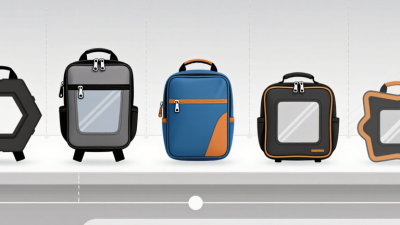
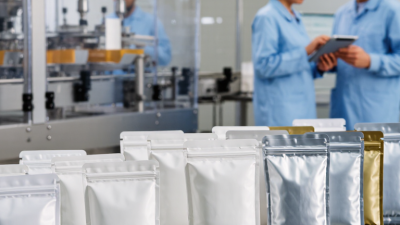
Sure, a Special Shape Bag can make your product stand out—easier to recognize, easier to hold, easier to remember. But let's be real: a cool silhouette only gets you so far. It still has to protect what's inside and work smoothly on the production line. So buyers, don't get too carried away by those polished sample photos. What really matters are clear specs, consistent print quality, dependable lead times, and a supplier who communicates well when details inevitably change. You know that famous line from industrial designer Dieter Rams? "Good design is as little design as possible." It fits Special Shape Bags perfectly, honestly. Every curve, every window, every handle and closure—it all needs to earn its place. Sure, a rounded pouch might catch your eye on a crowded shelf. But if the seal is in the wrong spot, filling it becomes a real pain. So yeah, the little stuff really matters. Here's the thing about sourcing bags from international suppliers: you don't want to jump straight into ordering samples without doing a little homework first. This guide walks you through the stuff worth comparing upfront—customization options, materials, printing capabilities, quality checks, and how much practical support you'll actually get. Once you're ready to request samples, ask suppliers for exact dimensions, production tolerances, and samples made with the actual material you plan to use. And don't just look at them—fill them, stack them, ship them around, see how they hold up. A slick mock-up can look amazing, but it doesn't mean the factory can pull it off at scale. That's a distinction people miss all the time. Supplier claims definitely deserve a closer look, too. Some features might sound impressive on the surface, but they just add extra cost without actually making the product better in real use. Others—like a secure closure or a stable base—can genuinely solve everyday problems. At the end of the day, there’s no one perfect format that works for every product. The right call really depends on what’s inside, where you’re selling it, and what kind of experience you want customers to have. This overview is meant to help make that decision a little clearer, though you should still double-check any supplier details directly before you place an order.
Read more »
Clara By:Clara - November 2, 2026
What Are the Best Coffee Bags for 2026?

What Are the Best Coffee Bags for 2026?

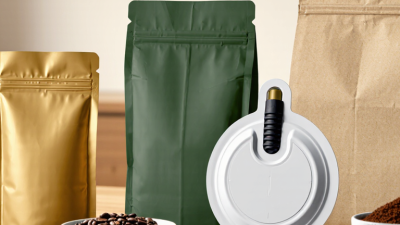
Picking the right coffee bag for 2026 isn't just about how it looks on the shelf. You want something that actually keeps the beans fresh — protecting the aroma, keeping moisture out, and sealing up properly once you open it. Little things end up mattering a lot: a zipper that actually closes tight, a heat seal that doesn't fail, a one-way valve that does its job. But here's the thing: no single feature is a 'magic bullet'. Fresh coffee depends on a bunch of factors, not just the bag. So, James Hoffmann—you know, the coffee educator—talks a lot about freshness. If I had to paraphrase him, I'd say it's less about the bag itself and more about time and how you handle the beans. That's actually a handy way to compare different bags, though it's not me endorsing any particular product. When you're buying, think about the roast date, how the beans were stored, and whether the packaging's barrier materials actually fit what you need. Especially for whole beans—you really want to keep oxygen and light out. You really need to seal ground coffee carefully—it's got way more surface area exposed, so it loses its aroma way faster. Honestly, the best option really depends on how you’re planning to use the coffee. If it’s just a small household, you probably want something like a resealable pouch that tucks neatly into the cupboard. But a café? That’s a different story—they need packaging with stronger seals that can hold up to constant handling. And don’t even get me started on sustainability claims. Just because a bag says “recyclable” doesn’t mean it actually is everywhere—it depends on local recycling programs and what the bag’s actually made of. That’s the part people tend to overlook. Let’s be real—there’s no such thing as a perfect coffee bag. So instead of chasing one, I’m going to walk you through the practical stuff: features, how well they keep your beans fresh, convenience, and all those environmental claims. By the end, you’ll have a clearer idea of which option actually fits your daily routine in 2026. It’s all about trade-offs, really.
Read more »
Charlotte By:Charlotte - October 29, 2026
Top 10 Types of Stand Up Pouch for Global Buyers?

Top 10 Types of Stand Up Pouch for Global Buyers?

You know, Stand Up Pouch packaging isn’t really a niche thing anymore — it’s become a pretty serious option for buyers around the world. The flexible design makes filling easier, looks good on the shelf, and keeps transport weight down. You’ll see this format used for everything from coffee and snacks to pet food, personal care, and household products. That said, no single pouch is going to work for every product or every market. So, the Flexible Packaging Association put US flexible packaging sales at around USD 42.9 billion in 2023. And Smithers’ global research on flexible packaging points to ongoing demand for lightweight, resealable, high-barrier formats too. But—and this is important—those reports don’t automatically make every stand-up pouch sustainable. You still have to look closely at material layers, recycling systems, filling conditions, and how well the product is protected. That’s the part people tend to skip over. You know, Pierre Pienaar, president of the World Packaging Organisation, once called packaging “the silent salesman.” And honestly? That idea still holds up. A pouch has to do two things fast: keep the product safe and tell you why it's worth buying—all in just a few seconds. That's why you see so many options out there, like spout pouches, zipper pouches, retort pouches, kraft paper pouches, clear-window pouches, and recyclable mono-material designs. Each one solves a different business need. Honestly, the best option really depends on a few things: how sensitive the material is to moisture, how much oxygen it's exposed to, the sealing temperature, how long it needs to last on the shelf, and what kind of recovery infrastructure you have locally. Look, no ranking is ever going to be perfect. A coffee buyer might care most about aroma barriers, while a pet-food buyer could be more worried about puncture resistance and easy pouring. And honestly? Some suppliers make complex laminates sound way simpler than they are. That's worth a closer look. So this guide compares ten major stand-up pouch types for global buyers, and I'm weighing them on functional performance, production practicality, customer experience, and responsible material choices.
Read more »
Charlotte By:Charlotte - October 24, 2026
How to Choose the Best Food Packaging Film?

How to Choose the Best Food Packaging Film?

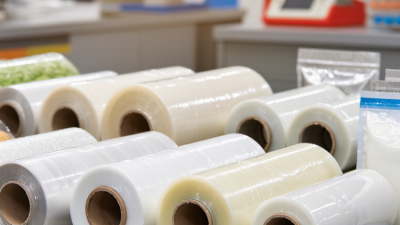
Choosing the right Food Packaging Film begins with the product, not the package itself. A crisp snack, frozen meal, oily sauce, and fresh salad face different risks. Moisture, oxygen, light, grease, and temperature can quietly damage quality. The film must control these risks while running smoothly on filling equipment. Small details matter. A weak seal can ruin a full production batch. Gordon L. Robertson, a respected food packaging scientist and author of Food Packaging: Principles and Practice, described packaging as “a coordinated system of preparing food for transport, distribution, storage, retailing, and end-use.” His view remains practical today. Food Packaging Film should protect the food, support efficient handling, and provide useful information to consumers. It should not merely look attractive on a shelf. Start by checking the required barrier performance. Ask for oxygen transmission, water vapor transmission, seal strength, puncture resistance, and temperature data. Confirm that the film suits the packaging machine and product contact conditions. A technically impressive structure may still fail during high-speed sealing. That possibility deserves attention. Consider multilayer films, coated films, recyclable structures, and paper-based alternatives with care. Each option involves compromises in protection, cost, processing, and end-of-life management. There is no universal best film. Not yet. Request test reports from qualified suppliers. Review specifications, traceability, and food-contact documentation. Pilot trials are essential, especially with oily, acidic, or frozen products. Measure real performance over time. A clear film can hide an unclear decision. The best choice is the one that protects food reliably, performs consistently, and fits the company’s environmental and operational goals.
Read more »
Alexander By:Alexander - October 20, 2026
What Is a Packaging Pouch and How Does It Work?

What Is a Packaging Pouch and How Does It Work?

Think of a Packaging Pouch as a flexible container that protects, holds, and presents a product. You’ll find them around snacks, coffee, pet food, liquid soap, household powders—you name it. Unlike rigid bottles or jars, a pouch is made from layered films that bend and wrap around whatever’s inside. That simple setup can save storage space and cut down shipping weight. Still, looking good doesn’t automatically mean it performs well. A typical pouch usually has three main layers: an outer printed layer, a barrier layer, and an inner sealing layer. Each one has its own job. The outer film carries the graphics and takes the handling. The barrier layer can help block oxygen, moisture, light, or odors. The inner layer is the one that touches the product and forms the seal. During production, a machine shapes the film, fills the pouch, and applies controlled heat or pressure. Then operators check things like seal strength, dimensions, print quality, and leakage risks. Truth is, small details matter. A weak corner might fail. The wrong film can hurt freshness. A filling machine that’s slightly off can create wrinkles across the seal. In real packaging work, testing should reflect real conditions—transport vibration, temperature swings, stacking pressure, repeated handling. Packaging specialists also look at product compatibility before choosing materials. Recyclability deserves attention, but it isn’t always easy with multilayer structures. A pouch might use less material while still being hard to process after disposal. That trade-off needs an honest look. So this guide explains how a Packaging Pouch works, what its layers do, and where design choices can succeed or fall short. It sticks to clear evidence, practical observations, and reliable packaging principles—not just attractive claims.
Read more »
Charlotte By:Charlotte - October 16, 2026
China Top Juice Bag Manufacturers for Global Buyers?

China Top Juice Bag Manufacturers for Global Buyers?

Picking reliable China Juice Bag manufacturers? It’s really not just about comparing prices. If you’re a global buyer, you’ve got to dig into material safety, sealing performance, filling compatibility, printing quality, and whether delivery stays consistent over time. Sure, a Juice Bag can look great sitting on a sample table. But its real value shows up later—after transport, storage, and run after run in production. Packaging consultant David Luttenberger once put it this way: “A package must protect the product before it promotes the brand.” That still makes a lot of sense for juice packaging. A strong manufacturer should be able to explain the film structure clearly, not just in vague terms. They should also share migration reports, production records, and test samples that actually fit your use case. And buyers? Don’t skip the little things: spout strength, oxygen barriers, leakage resistance, carton protection. Those details matter. A weak corner can end up damaging a whole shipment. This guide rounds up some leading China Juice Bag manufacturers for global buyers. We looked at technical capability, customization, export experience, how well the factory communicates, and after-sales support. Potential suppliers might include flexible packaging producers, pouch specialists, and full bag-in-box solution providers. Their strengths aren’t all the same. One company might be great at printing but offer limited filling support. Another could have stable production, yet be slower with customization. Truth is, no supplier is perfect. So treat our comparison as a practical starting point—not the final purchasing decision. Product testing is still a must. Before placing big orders, request samples, confirm specs, and review independent documentation. That way, you cut down avoidable risks and give long-term cooperation a better shot. It also helps brands find Juice Bag partners that actually match their product, market, and production needs.
Read more »
Charlotte By:Charlotte - October 12, 2026
How to Choose the Right Plastic Film for Packaging?

How to Choose the Right Plastic Film for Packaging?

Picking the right Plastic Film isn’t just about going for the thickest or cheapest roll. How well packaging performs really comes down to the product itself, the filling process, how it’s stored, how far it has to travel, and what happens to it after use. Edward Kosior, founder of Nextek, puts it simply: ‘There is no single solution to the plastics problem.’ And that’s just as true for modern packaging decisions. A film that works great for fresh food might be a bad fit for frozen products, medical supplies, or industrial parts. Polyethylene gives you flexibility and moisture resistance. Polypropylene can offer better clarity and heat performance. Barrier films help keep oxygen, aroma, and moisture transfer under control. But every advantage comes with some kind of trade-off. So where should you start? With product sensitivity. Does the package need to resist punctures? Will it run into hot filling or freezing temperatures? Can the sealing layer keep performing consistently on the production line? Small weak spots can turn into leaks, wasted product, or unhappy customers. Cost matters, sure. But it shouldn’t run the whole show. A low-priced Plastic Film can end up costing more through damaged goods and inefficient packaging lines. Recyclability deserves a careful look, too. A structure that sounds recyclable on paper may not work well if local collection and processing systems can’t actually handle it. And real-world packaging experience often turns up uncomfortable gaps. Lab results don’t always match what happens in the warehouse. Supplier claims may need independent testing. The most dependable choice usually comes from combining technical data, production trials, transport simulations, and clear back-and-forth with the film manufacturer. No option is perfect. The aim is a practical balance between protection, efficiency, product safety, and environmental responsibility.
Read more »
Charlotte By:Charlotte - October 8, 2026
How to Choose the Right Plastic Film Supplier in 2026

How to Choose the Right Plastic Film Supplier in 2026

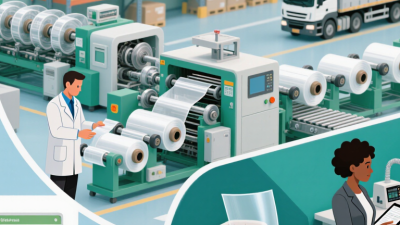
Picking the right Plastic Film supplier in 2026 isn’t just about slapping numbers on a spreadsheet and calling it a day. Sure, price matters, but the real story depends on lots of other factors—like resin quality, film structure, the equipment the supplier uses, and how reliably they deliver. Having a solid evaluation process in place can help you avoid those expensive surprises down the line. Here's a good nugget of advice from packaging sustainability pro Robert Lilienfeld: “Look at the entire package system, not just one material.” When you’re reviewing plastic film suppliers, that really hits home. For example, a thinner film might save some material costs, but it could lead to sealing headaches, more waste, or not enough protection. Sometimes, the cheapest quote isn’t actually the best deal overall. Start with the practical stuff. Ask for technical data sheets, recent batch records, and samples tailored for your specific application. Put them to the test—check puncture resistance, clarity, how easily they slide (coefficient of friction), seal strength, and whether thickness is consistent. Also, don’t forget to ask how they manage things like moisture, contamination, and production changes. Reputable suppliers should be upfront about their quality systems and be able to provide traceability info and sustainability data—broad promises won’t cut it. And don’t skip the human side of things. Can they respond quickly if a trial doesn’t go well? Does their sales team really get your packaging line? Are lead times realistic, especially when demand peaks? Sometimes, visiting the factory or getting a third-party audit can tell you way more than a shiny brochure or a well-practiced pitch. Let’s be real—there’s no such thing as a perfect supplier. Even seasoned buyers can get caught up after one good sample. It’s an uncomfortable lesson, but the key is to set up a trial period with clear, measurable acceptance criteria, review how things go every month, and always have a backup supplier ready to go. In 2026, the best plastic film suppliers will be those who deliver consistent quality, communicate openly, manufacture responsibly, and stay humble enough to admit when they’re wrong and willing to improve based on real evidence.
Read more »
Clara By:Clara - October 3, 2026
10 Best Pouch With Spout Suppliers for Global Buyers

10 Best Pouch With Spout Suppliers for Global Buyers

Picking the right supplier for Pouch With Spout is actually pretty important—because it can really impact product safety, how efficiently your packaging gets filled, and whether your customers trust your brand. Honestly, global buyers aren’t just impressed by sleek packaging photos. They need to see real proof—verified production capabilities, clear specs, and open, consistent communication. In this guide, I’ve rounded up ten reputable suppliers that serve international markets. We look at things like material quality, spout designs, printing precision, pouch durability, minimum order requirements, and how good they are at supporting fast delivery. Companies like Gualapack, Cheer Pack, Mondi, and Huhtamaki each bring their own strengths—some focus on high-volume production, while others offer handy customization options for emerging brands. Details really do matter here. A trusted Spout Pouch supplier should be willing to send you samples before you commit to large orders. It's smart to test how well their seals hold, whether the pouches can survive drops, how they perform during filling, and if they work smoothly with your existing equipment. You should also take a close look at food contact safety docs and quality certificates. Just having certifications isn’t enough on its own—sometimes, you need factory audits, production records, and prompt technical support to really feel confident. Remember, no single supplier is perfect for every project. For a small beverage startup, low minimum order quantities and help with design might be the top priorities. Bigger companies might care more about automation, regional warehouses, and steady supply chains. Pricing can also be tricky—things like tooling, freight, testing, or special closures often pop up later and can add unexpected costs. This guide is just a helpful starting point; it’s not the final decision. Since needs change depending on the product, market, and filling line, it’s always best to double-check every detail directly with the supplier before signing a deal. Sure, that step might seem slow, but it usually saves you from costly revisions, delays, or ending up with packaging that just doesn’t cut it. Bottom line: doing your homework pays off in the long run.
Read more »
Alexander By:Alexander - September 29, 2026
How to Choose a Packaging Pouch Supplier in 2026?

How to Choose a Packaging Pouch Supplier in 2026?

Picking a packaging pouch supplier in 2026 isn’t just about slapping a low price on the table. You’ve got to find someone who genuinely protects your product, can keep up with your production demands, and communicates clearly—especially when specs change last minute. If you’ve ever heard of Dr. Susan Selke, the packaging expert, she talks a lot about how important it is to assess both performance and environmental impact together. Just because a pouch looks perfect on a sample table doesn’t mean it’ll work smoothly on your filling line. Small things really do matter—things like seal strength, barrier properties, print quality, and how the pouch behaves after filling. Make sure to ask suppliers for their latest technical data, samples, and test results that match your specific product. And don’t just check them by eye—test the samples in conditions similar to your own operation. When it comes to choosing a supplier, practical proof counts too. Look into their lead times, minimum order sizes, quality control processes, and how they handle defects or delays. Who’s responsible for approving artwork? And how do they handle revisions? It’s a good idea to get references from other customers who do similar pouch styles or handle similar volumes. Clear, straightforward answers help build trust—vague promises? Not so much. Sometimes, a super-low quote might hide extra costs like tooling, shipping, or rejection fees, so watch out for that. Not everything’s obvious right away. This guide is here to help you compare suppliers, check their capabilities, and ask better questions before you commit. It also covers how to look at material choices and sustainability claims—just make sure those claims are backed up with actual docs. Of course, no checklist can clear up every doubt, but doing thorough testing and being upfront in your conversations can stop surprises from popping up later. Ultimately, it’s about finding a supplier that really fits your product and your workflow—so you’re not just choosing the cheapest option, but the right one.
Read more »
Charlotte By:Charlotte - September 25, 2026
How to Choose the Best Pastry Bag from China?

How to Choose the Best Pastry Bag from China?

Picking out the best Pastry Bag from China isn't just about comparing prices on some supplier site. Honestly, the right choice really depends on things like what material it’s made of, how it’s built, whether it has the proper food-contact docs, and how consistent their production is. I mean, a bag might look super sturdy in photos, but then feel kinda thin when you're actually piping. And watch out—some seams might even open up if you squeeze in stiff buttercream. So yeah, those small details really do matter. When considering what you need it for, think about it carefully. Silicone bags are great if you plan to wash them often and work with firm doughs, whereas disposable plastic ones are perfect if you’re doing quick jobs and want easy cleanup. Pay attention to thickness, grip, transparency, nozzle compatibility, and how well they handle heat. And definitely, don’t hesitate to ask suppliers like BakePro Supplies or Golden Whisk Manufacturing for some samples before you commit to a big order. Be sure to ask for material specs, test reports, factory pics, and clear info about the packaging. A good supplier should happily explain their quality control processes without dodging your questions. And hey, don’t just get lured in by a low price. It’s really worth looking at how the samples perform—test them with the same cream, check for leaks, see how stable the tips are, and even test the logo after handling a bit. Also, clarify the minimum order quantities, lead times, packaging protections, and who handles shipping—these little things can save you from costly surprises later on. But let’s be real: no sourcing method is foolproof. Maybe the sample looks perfect, but different production batches can vary. Even a supplier who’s quick to reply might experience delays or unexpectedly change materials. That’s why it’s smart to have clear written specs and do pre-shipment inspections. This guide’s all about helping you make smarter decisions when buying a dependable Pastry Bag, balancing performance, costs, supplier trustworthiness, and keeping your customers happy in the long run.
Read more »
Clara By:Clara - September 22, 2026